



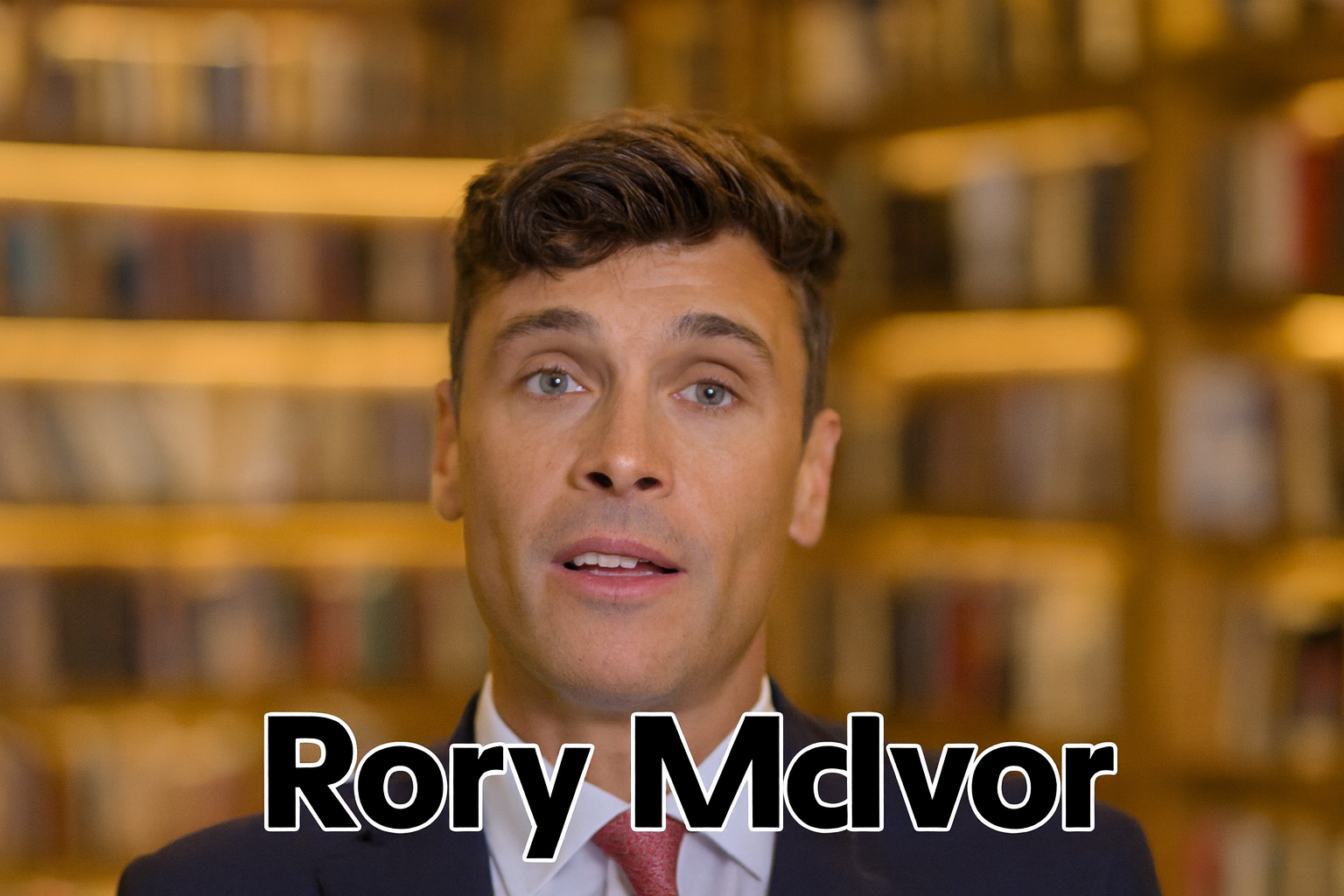
In today’s rapidly evolving world,leadership is no longer defined solely by titles or public recognition. It is shaped by innovation, resilience, collaboration, and the ability to create meaningful impact. The name Rory McIvor represents this modern style of leadership—dynamic, thoughtful, and driven by purpose. While not necessarily a global celebrity, Rory McIvor reflects the growing influence of professionals who make substantial contributions within their industries and communities.
This article explores the life,rory mcivor background, professional journey, leadership philosophy, and broader impact associated with Rory McIvor. It presents a detailed and balanced profile that highlights both personal growth and professional development.
Early Life and Foundational Influences
Every individual’s journey begins with formative experiences that shape values and aspirations. For someone like Rory McIvor, early life likely played a critical role in building curiosity, ambition, and a sense of responsibility.
Children who later grow into strategic thinkers often display early signs of:
- Intellectual curiosity
- Independent problem-solving
- Leadership in group settings
- A willingness to ask questions
- Engagement in extracurricular activities
These traits often continue into adulthood, forming the basis for professional and personal growth. Early exposure to education, community involvement, and mentorship likely contributed to Rory McIvor’s development of a well-rounded perspective.
Family environments that encourage independence and accountability often produce individuals who value both self-discipline and collaboration. These foundational influences can be seen reflected in the qualities associated with modern leadership.
Education and Skill Development
Education provides both structure and opportunity. Academic institutions, whether traditional universities or specialized training programs, play a crucial role in shaping analytical thinking and communication skills.
For individuals following a path similar to Rory McIvor’s, education may have included:
- Academic excellence in strategic or analytical subjects
- Participation in student leadership initiatives
- Involvement in collaborative projects
- Development of presentation and communication abilities
- Exposure to global or cross-cultural perspectives
Education is not simply about formal credentials. It also involves developing adaptability, emotional intelligence, and a willingness to learn continuously.
In the modern era, lifelong learning is essential. Professionals must constantly refine their skills to stay relevant in industries shaped by rapid technological and social change. Continuous development demonstrates commitment not only to career advancement but to meaningful contribution.
Professional Path and Career Growth
The professional journey of Rory McIvor reflects the traits of strategic thinking and adaptability. While specific industries may vary, professionals with similar profiles often engage in fields such as business management, entrepreneurship, technology, communications, or organizational leadership.
Early Career Steps
Many successful professionals begin their careers in entry-level or support roles that provide hands-on experience. These roles help develop:
- Time management
- Team collaboration
- Operational understanding
- Real-world problem-solving
Such foundational experiences often create the groundwork for future leadership opportunities.
Expanding Responsibility
As careers progress, increased responsibility often follows. This might include:
- Managing projects
- Leading teams
- Coordinating cross-functional efforts
- Overseeing strategic planning
Leadership at this stage requires balancing vision with execution. Strategic plans must translate into measurable results.
Entrepreneurial Mindset
Some professionals choose to pursue entrepreneurial ventures or innovative initiatives. An entrepreneurial mindset reflects:
- Willingness to take calculated risks
- Creative thinking
- Resilience in the face of setbacks
- Ability to identify market gaps or organizational needs
This mindset aligns with the forward-thinking qualities associated with modern leadership figures.
Leadership Style and Philosophy
Leadership is not defined solely by authority but by influence. Rory McIvor’s leadership style can be understood through several core principles common to effective leaders today.
Vision-Oriented Thinking
Successful leaders articulate clear goals and long-term strategies. Vision-oriented thinking involves:
- Identifying future opportunities
- Anticipating challenges
- Inspiring others to align with shared objectives
A clear vision provides direction while motivating teams to contribute meaningfully.
Empathy and Collaboration
Contemporary leadership emphasizes emotional intelligence. Empathy strengthens team dynamics by fostering:
- Open communication
- Mutual respect
- Inclusive decision-making
- Greater trust within organizations
Collaboration enhances innovation because diverse perspectives lead to creative solutions.
Adaptability
Industries evolve rapidly. Adaptability allows leaders to respond effectively to:
- Market shifts
- Technological disruption
- Organizational restructuring
- Unexpected challenges
Flexibility combined with strategic focus is a powerful combination.
Accountability
Effective leaders accept responsibility for both successes and failures. Accountability builds credibility and encourages a culture of integrity within teams.
Community Engagement and Broader Impact
Leadership extends beyond professional achievements. Individuals like Rory McIvor often contribute to community development, mentorship, and social initiatives.
Mentorship
Mentorship is one of the most powerful forms of influence. Guiding younger professionals fosters:
- Skill development
- Confidence building
- Ethical leadership
- Career advancement
Mentors help shape the next generation of leaders.
Community Involvement
Engagement in community activities—whether through volunteering, advocacy, or collaborative projects—demonstrates commitment beyond personal gain. Such involvement strengthens local networks and promotes shared progress.
Social Responsibility
Modern leaders recognize the importance of ethical and sustainable practices. Social responsibility may include:
- Supporting charitable initiatives
- Promoting inclusive work environments
- Encouraging sustainable business practices
These actions contribute to long-term positive impact.
Challenges and Personal Growth
No career path is without obstacles. The ability to navigate challenges often distinguishes resilient leaders from others.
Common professional challenges may include:
- Managing high-pressure environments
- Balancing competing priorities
- Navigating team conflicts
- Overcoming project setbacks
Resilience is built through experience. Each challenge offers an opportunity to refine decision-making, communication, and adaptability.
Growth often occurs during moments of uncertainty. Leaders who embrace these moments as learning opportunities build depth of character and strength of vision.

The Role of Technology and Innovation
In the digital age, technological literacy is essential. Professionals like Rory McIvor operate in environments influenced by:
- Data analytics
- Digital communication tools
- Automation and artificial intelligence
- Remote collaboration platforms
Understanding and leveraging technology enhances efficiency and strategic advantage.
Innovation thrives in environments where experimentation is encouraged. Leaders who support innovation empower teams to explore creative solutions.
Networking and Relationship Building
Professional growth is rarely a solitary endeavor. Building meaningful relationships contributes to:
- Knowledge exchange
- Career opportunities
- Collaborative partnerships
- Personal development
Networking involves more than transactional interactions; it is about building trust and shared purpose.
Strong professional relationships often lead to long-term collaborations that extend beyond immediate goals.
Personal Values and Character
Beyond achievements and professional milestones, character defines lasting influence.
Key qualities associated with effective leadership include:
Integrity
Maintaining ethical standards even when faced with difficult decisions.
Curiosity
Seeking continuous improvement and exploring new perspectives.
Humility
Recognizing the value of collective effort over individual recognition.
Determination
Remaining committed to goals despite obstacles.
These values create a foundation for sustainable impact.
Balancing Professional and Personal Life
Success in leadership also involves maintaining balance. Professionals who prioritize well-being often achieve greater long-term sustainability.
Balance may include:
- Spending time with family and friends
- Engaging in hobbies or creative pursuits
- Maintaining physical health
- Practicing mindfulness or reflection
A balanced lifestyle supports mental clarity and effective decision-making.
Influence in a Changing World
As industries and societies evolve, leadership must adapt accordingly. The influence of professionals like Rory McIvor lies in their ability to:
- Navigate complexity
- Embrace innovation
- Foster collaboration
- Maintain ethical standards
Modern leadership is less hierarchical and more collaborative. It values adaptability over rigid control.
Future Outlook and Aspirations
The trajectory of a professional career is shaped by continuous ambition and growth. Future aspirations for someone like Rory McIvor may include:
- Expanding organizational influence
- Leading transformative initiatives
- Strengthening mentorship networks
- Driving sustainable innovation
The future is shaped by strategic planning combined with flexibility.
Long-term success often depends on the ability to evolve while remaining grounded in core values.
Lessons for Emerging Professionals
The journey associated with Rory McIvor offers practical insights for those seeking leadership roles:
- Commit to Continuous Learning – Industries change rapidly; knowledge must evolve accordingly.
- Develop Emotional Intelligence – Strong relationships drive success.
- Take Initiative – Leadership often begins with small acts of responsibility.
- Embrace Resilience – Setbacks are stepping stones, not endpoints.
- Lead with Integrity – Ethical decisions build lasting credibility.
- Focus on Impact – True success is measured by positive influence on others.
Why Rory McIvor Represents Modern Leadership
The name Rory McIvor symbolizes qualities essential in today’s world:
- Strategic thinking
- Adaptability
- Empathy
- Integrity
- Vision
Leadership today is about more than authority. It is about influence, innovation, and contribution.
Individuals who combine professional excellence with ethical awareness stand out in a competitive landscape. Their influence extends beyond immediate achievements, shaping teams, organizations, and communities.

Conclusion
Rory McIvor represents the evolving face of leadership in the modern era. His profile reflects ambition balanced with responsibility, innovation guided by integrity, and influence shaped by collaboration.
While the specifics of any individual’s career continue to unfold, the qualities associated with Rory McIvor highlight important principles for contemporary success: continuous growth, empathy-driven leadership, resilience in the face of change, and commitment to meaningful impact.
In a world where recognition often focuses on celebrity, the true measure of leadership lies in consistent contribution and positive influence. The story of Rory McIvor underscores that success is not merely about personal achievement—it is about creating value that extends beyond oneself.
As industries and communities continue to evolve, professionals who embody these qualities will remain essential to shaping a thoughtful, innovative, and responsible future.
