



In recent years, the name Nerissa Chesterfield has attracted increasing attention, particularly among those who follow British politics, media communications, and public affairs. Unlike entertainment celebrities who rise to fame through film or music, Nerissa Chesterfield has built her profile in the world of political communication and strategic media engagement. Her work places her behind the scenes rather than in front of cameras, yet her influence within professional and political circles has made her a subject of growing interest.
This in-depth article explores nerissa chesterfield background, career path, professional achievements, communication style, and broader impact. By examining her trajectory and role in public life, we can better understand why her name appears in search results and discussions.
Who Is Nerissa Chesterfield?
Nerissa Chesterfield is known primarily as a British political communications professional. She has worked in advisory and media roles connected to the UK political landscape, helping shape messaging, strategy, and public engagement.
While not a traditional public celebrity, she operates in a sphere that significantly influences public perception—political communications. Individuals in this profession play a crucial role in shaping narratives, advising political leaders, managing media interactions, and crafting public statements.
Because of this responsibility, figures like Chesterfield often attract attention, particularly during election cycles, leadership contests, or moments of political change.
Early Life and Education
Details about Nerissa Chesterfield’s early personal life are relatively private, which is common for professionals working in political strategy rather than public-facing celebrity roles. However, like many individuals in high-level communications roles, her background likely includes strong academic foundations and experience in journalism, public relations, or political studies.
Political communications professionals typically build their careers through:
- Academic training in politics, communications, journalism, or public affairs
- Early roles in media, campaign teams, or communications offices
- Experience writing speeches, press releases, or strategic messaging
These foundations equip individuals to navigate the fast-paced and high-pressure environment of political media.
Career in Political Communications
Nerissa Chesterfield’s professional identity is most closely associated with political advisory and communications roles within the United Kingdom. Political communications is a specialized field that combines strategy, messaging, crisis management, and public relations.
Professionals in this area are responsible for:
- Drafting and refining official statements
- Preparing leaders for interviews and debates
- Managing media inquiries
- Overseeing press relations
- Crafting campaign messaging
- Responding to breaking news and controversies
Chesterfield’s work places her within this strategic framework, helping shape how political messages are presented to the public.
The Role of a Political Communications Adviser
To understand Nerissa Chesterfield’s significance, it’s helpful to understand what a political communications adviser actually does.
Unlike elected officials, advisers work behind the scenes. Their influence comes through guidance rather than direct public authority. They help ensure that messaging is:
- Clear
- Consistent
- Strategically aligned
- Media-ready
- Sensitive to public perception
A communications adviser must anticipate public reaction, assess media tone, and adapt messaging in real time. This requires a strong understanding of journalism, public opinion, and political context.
Chesterfield’s reputation is rooted in her ability to navigate these complexities.
Media Visibility and Public Attention
Although communications professionals usually work behind the scenes, certain circumstances can bring them into the public eye. Leadership transitions, elections, internal party debates, and policy announcements can all generate increased interest in advisers and staff members.
When public curiosity rises, searches for individuals like Nerissa Chesterfield increase. This is often driven by:
- Interest in who is shaping political messaging
- Media reports referencing advisers
- Political transitions or new appointments
- Public debate over communication strategy
Search trends do not necessarily indicate celebrity status but rather public interest in the individuals influencing key decisions.
Political Context and Professional Environment
The UK political landscape is highly dynamic. Communications advisers must operate in an environment that includes:
- 24-hour news cycles
- Social media scrutiny
- Political opposition critique
- Internal party dynamics
- Rapid policy shifts
This environment demands resilience, adaptability, and strategic thinking.
Nerissa Chesterfield’s career reflects the increasing importance of communications professionals in shaping political outcomes. In the modern era, messaging can influence elections, public trust, and institutional credibility.
Skills and Professional Strengths
A successful political communications adviser typically demonstrates several core competencies:
1. Strategic Thinking
Understanding the broader political environment and aligning messaging with long-term goals.
2. Media Literacy
Knowing how journalists work, what makes headlines, and how stories evolve.
3. Crisis Management
Responding quickly and effectively to unexpected events or controversies.
4. Persuasive Writing
Crafting speeches, statements, and briefings that resonate with audiences.
5. Discretion
Maintaining confidentiality while operating in sensitive environments.
Nerissa Chesterfield’s professional profile suggests she embodies these qualities, contributing to her credibility within political circles.
The Modern Importance of Communications Professionals
In previous decades, political campaigns relied heavily on traditional media outlets. Today, digital platforms and social networks have transformed how information spreads.
Communications advisers now must account for:
- Social media narratives
- Viral moments
- Online criticism
- Instant public feedback
This shift has increased the importance of messaging specialists. A poorly worded statement can escalate rapidly, while a well-crafted message can restore confidence or clarify policy.
Chesterfield’s work reflects this modern evolution in political communication.
Public Perception and Online Discussions
As with many individuals connected to politics, public opinion can vary. Supporters may view communications professionals as essential architects of effective leadership. Critics may question messaging strategies or political alignment.
Online discussions often reflect:
- Support for strategic clarity
- Debate over policy framing
- Criticism of communication decisions
- Curiosity about political staff members
It is important to distinguish between professional role and personal identity. Communications advisers execute strategy on behalf of leaders and institutions, and public reactions often relate to the broader political context rather than the individual alone.
Behind the Scenes vs. Public Spotlight
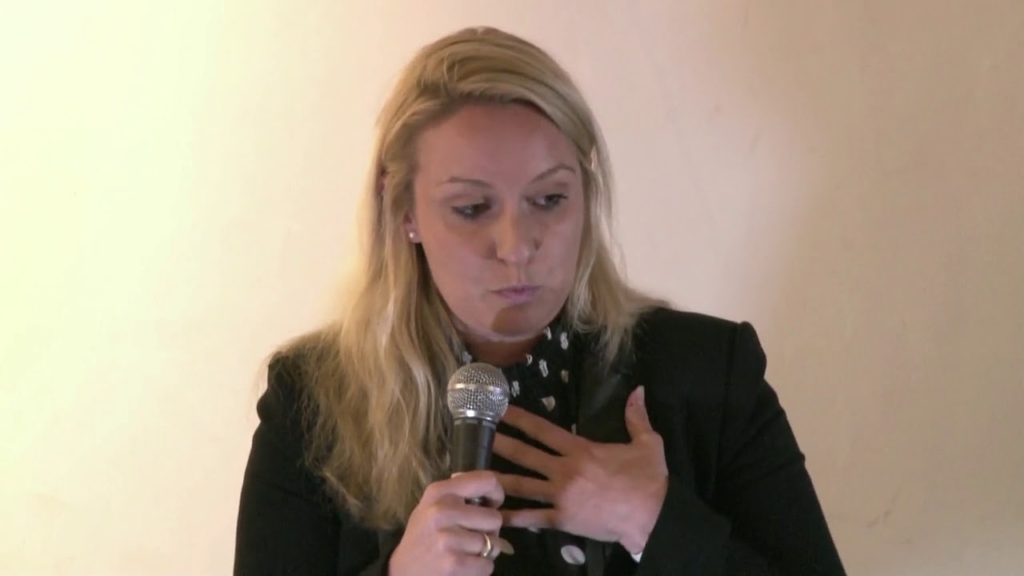
One of the interesting aspects of Nerissa Chesterfield’s profile is the contrast between visibility and influence. While not constantly appearing in front of cameras, her role contributes significantly to public-facing narratives.
This duality—high influence but moderate personal visibility—is common among communications professionals. They shape headlines without becoming the headline.
However, when political developments attract attention, advisers may temporarily become subjects of public interest.
The Challenges of Political Communication
Political communications is not an easy profession. It requires balancing multiple priorities:
- Maintaining transparency while protecting sensitive information
- Appealing to broad audiences without alienating core supporters
- Responding to criticism without escalating conflict
- Managing internal expectations alongside public scrutiny
Advisers must remain calm under pressure and think several steps ahead. In moments of crisis, their judgment can shape public perception for years.
Nerissa Chesterfield’s continued presence in this field suggests resilience and professional competence.
Gender and Representation in Political Strategy
Another notable aspect of modern political communications is the increasing representation of women in strategic advisory roles. Historically dominated by male figures, political strategy and communications have evolved significantly.
Women now occupy prominent positions in:
- Campaign management
- Communications direction
- Policy advisory roles
- Media strategy teams
Nerissa Chesterfield represents part of this broader trend toward greater diversity in political leadership infrastructure.
Public Curiosity and Search Trends
The rise in searches for Nerissa Chesterfield’s name likely reflects moments of heightened political interest. Search behavior often increases when:
- A new role or appointment is announced
- A major political event unfolds
- Media coverage references communications teams
- Leadership shifts occur
In such moments, the public seeks to understand who influences decision-making behind the scenes.
Professional Impact and Legacy
While it may be too early to define a long-term legacy, communications professionals leave impact through:
- Successful campaigns
- Effective crisis management
- Strong media relationships
- Clear and consistent messaging
Their contributions shape how political eras are remembered.
Even without constant public exposure, advisers influence narratives that affect millions.

Conclusion
Nerissa Chesterfield is best understood not as a celebrity, but as a skilled professional operating within the sphere of British political communications. Her role reflects the growing importance of messaging strategy in modern governance.
From managing media interactions to crafting strategic communication frameworks, her work contributes to shaping public understanding of political developments.
In today’s fast-moving digital world, communications professionals are more vital than ever. They help leaders navigate scrutiny, clarify policies, and respond to crises. While they may not always stand in front of cameras, their influence resonates across headlines and public discourse.
Nerissa Chesterfield’s increasing visibility in search trends underscores a simple truth: in contemporary politics, those who shape the message hold significant power.
As political communication continues to evolve, figures like Chesterfield will remain essential architects of public dialogue—operating behind the scenes, but influencing conversations at the highest levels.
