




Over the years, many people have searched online asking a direct and simple question: “Is Carlton Leach still alive?” The curiosity is understandable. Carlton Leach is a figure whose life has been surrounded by violence, crime, football hooliganism, and later media dramatization. When someone lives such a high-risk and controversial life, rumors tend to follow — including speculation about their death.
is carlton leach still alive To answer the question clearly from the beginning:
Yes, Carlton Leach is still alive.
However, the story behind why people ask this question is far more complex and fascinating than the answer itself. In this in-depth article, we will explore:
- Who Carlton Leach is
- His early life and involvement in football hooliganism
- His association with organized crime
- The events that built his reputation
- His transformation later in life
- His health and public presence
- Why death rumors continue to circulate
By understanding his full journey, we can better understand why this question continues to surface.
Who Is Carlton Leach?
Carlton Leach was born in 1965 in East London, England. He became widely known as a former football hooligan and later as a figure associated with Britain’s criminal underworld during the 1980s and 1990s.
Unlike traditional celebrities who become famous through entertainment or sport, is carlton leach still alive became known due to his involvement in violent subcultures. His name is particularly associated with:
- The Inter City Firm (ICF), linked to West Ham United supporters
- Nightclub security and bouncer culture
- Criminal networks in Essex and London
- Media portrayals of organized crime
is carlton leach still alive is one of several figures from that era whose lives became the subject of books, documentaries, and films.
Early Life and Football Hooliganism
To understand is carlton leach still alive, you must understand the environment he grew up in.
The 1970s and 1980s in parts of East London were marked by economic hardship, unemployment, and social unrest. Football stadiums became outlets for identity and aggression. Organized groups of supporters — often referred to as “firms” — traveled to matches not only to support their team but also to fight rival groups.
Leach became involved with the Inter City Firm (ICF), one of the most notorious hooligan groups in British football history. These groups were known for:
- Organized fights
- Pre-arranged confrontations
- Traveling by train to away matches
- Avoiding police detection
Football hooliganism at the time was not just random chaos. It was structured and, in some cases, almost ritualized. For young men seeking belonging, adrenaline, and reputation, it offered a sense of purpose.
Leach became deeply involved in this world, gaining a reputation for toughness and fearlessness.
Transition Into the Criminal Underworld
As football hooliganism began to decline in the 1990s due to stricter policing and new stadium regulations, many individuals involved in firms transitioned into other areas — some legitimate, others criminal.
is carlton leach still alive moved into the world of nightclub security. Working as a bouncer often meant being physically imposing, managing confrontations, and sometimes operating in environments linked to illegal activities.
During this period, is carlton leach still alive became associated with individuals involved in drug trafficking and organized crime. His name would later be connected to serious criminal cases and violent incidents in Essex and London.
It is important to note that while he was closely linked with certain figures involved in criminal activity, Leach himself was not convicted of the most notorious murders that became associated with that era.
However, public perception often merges association with direct involvement. This contributed significantly to the mystique and controversy surrounding his name.
The Essex Crime Era and Public Fascination
The 1990s saw several high-profile criminal events in Essex that later became the subject of books and films. Because Leach had connections within that social circle, his name became widely discussed.
This era of crime in southeast England became part of modern British folklore — a mixture of fact, rumor, exaggeration, and media dramatization.
is carlton leach still alive association with certain figures led to speculation and storytelling that grew over time. As years passed, the stories became larger than life.
When someone is linked to violent environments, people often assume the worst outcomes. It’s not uncommon for individuals from that background to disappear, be imprisoned long-term, or die young.
The fact that is carlton leach still alivesurvived this era is one reason the question about whether he is still alive keeps resurfacing.
Media Adaptations and “Rise of the Footsoldier”
is carlton leach still alive story reached a wider audience through film adaptations inspired by real events from that criminal period.
The movie series “Rise of the Footsoldier” dramatized events connected to the Essex crime scene. While not a documentary, the film drew heavily from real figures and events — including Leach.
Movies tend to amplify violence and drama for entertainment value. As a result, many viewers who watched the film later searched online to find out what happened to the real individuals involved.
When people see characters in crime films facing dangerous endings, they naturally wonder about their real-life counterparts.
This contributed heavily to the recurring online search:
“Is Carlton Leach still alive?”
Personal Struggles and Transformation
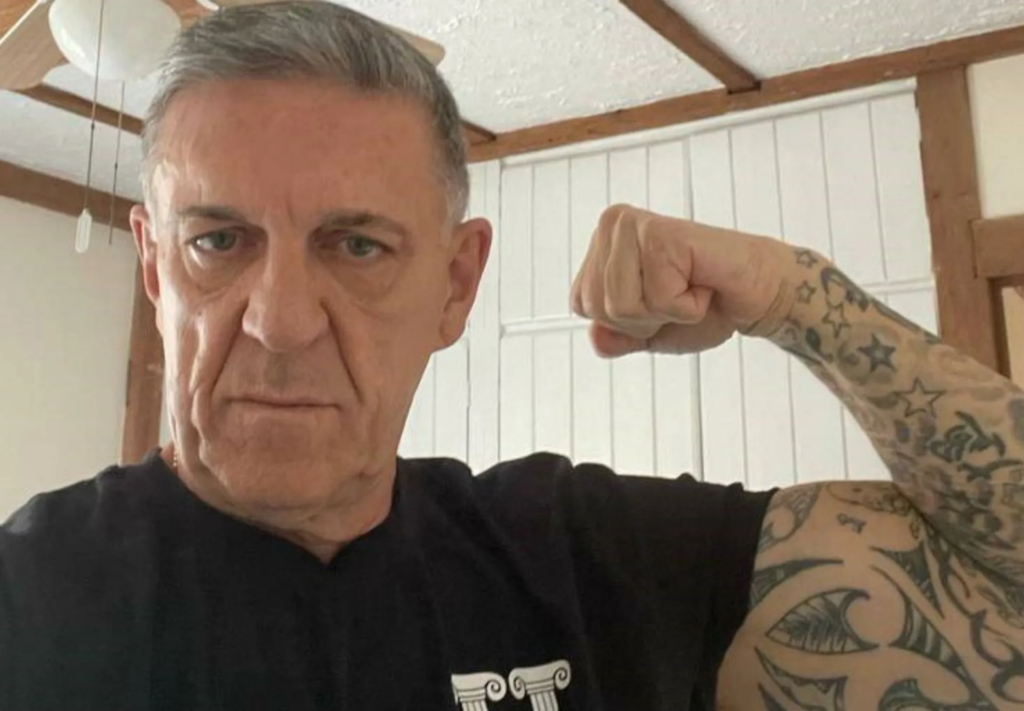
is carlton leach still alive has spoken openly in interviews about the toll his earlier life took on him.
Years of:
- Physical fights
- Drug use
- Stress
- Dangerous confrontations
- Exposure to violence
all left lasting effects.
By his late 30s and 40s, he began reassessing his life. is carlton leach still alive moved away from active criminal associations and shifted toward telling his story publicly.
This period marked a transformation. Instead of being defined solely by violence, is carlton leach still alive became someone reflecting on his past.
Transformation stories attract attention. People are drawn to narratives where someone:
- Lives recklessly
- Survives danger
- Faces consequences
- Reinvents themselves
Leach’s life fits that pattern closely.
Health Concerns and Public Speculation
Because is carlton leach still alive lived such an intense and high-risk lifestyle, it is natural for people to question his long-term health.
Physical injuries from fights, combined with substance use, often lead to chronic health issues. Leach has discussed struggles related to addiction and the physical damage caused by years of confrontation.
However, despite these challenges, he remains alive and has appeared publicly in interviews and media in recent years.
The persistence of death rumors may stem from:
- His dangerous past
- Confusion with other individuals from that era
- The assumption that people in violent criminal environments rarely survive into later life
In reality, he has reached his late 50s.
Why Do Death Rumors Persist?
There are several reasons why rumors about Carlton Leach’s death continue to appear online:
1. Association With Violent Crime
People closely associated with criminal violence are often assumed to meet violent ends.
2. Media Dramatization
Films and documentaries sometimes give the impression that all major figures from that era died or were imprisoned.
3. Internet Misinformation
Once a rumor appears online, it can circulate repeatedly without verification.
4. High-Risk Lifestyle
Leach’s history of drug use, violence, and confrontation creates the assumption that he might not have survived long.
However, none of these rumors are supported by credible evidence.
His Current Life and Public Activity
In more recent years, Carlton Leach has remained active in:
- Interviews
- Podcasts
- Documentaries
- Public discussions about football hooliganism history
- Conversations about crime culture in Britain
Rather than hiding from his past, he has used it as a platform to discuss broader social issues — including how young men can become trapped in cycles of violence.
He has also emphasized personal accountability and the consequences of lifestyle choices.
This shift has helped reshape his public image from purely a violent figure to someone offering reflection and perspective.
The Cultural Significance of His Story
Carlton Leach’s life is not just about crime. It reflects a broader social era in Britain.
His story intersects with:
- Football culture in the 1980s
- Urban deprivation
- Nightclub security culture
- Drug distribution networks
- Media fascination with gangland stories
For some, he symbolizes a dark chapter in British football history. For others, he represents survival and transformation.
His life serves as a case study in how environment, identity, and peer groups shape behavior — and how difficult it can be to break free from that path.
Is He Still Alive Today?
To restate clearly:
Yes, Carlton Leach is still alive.
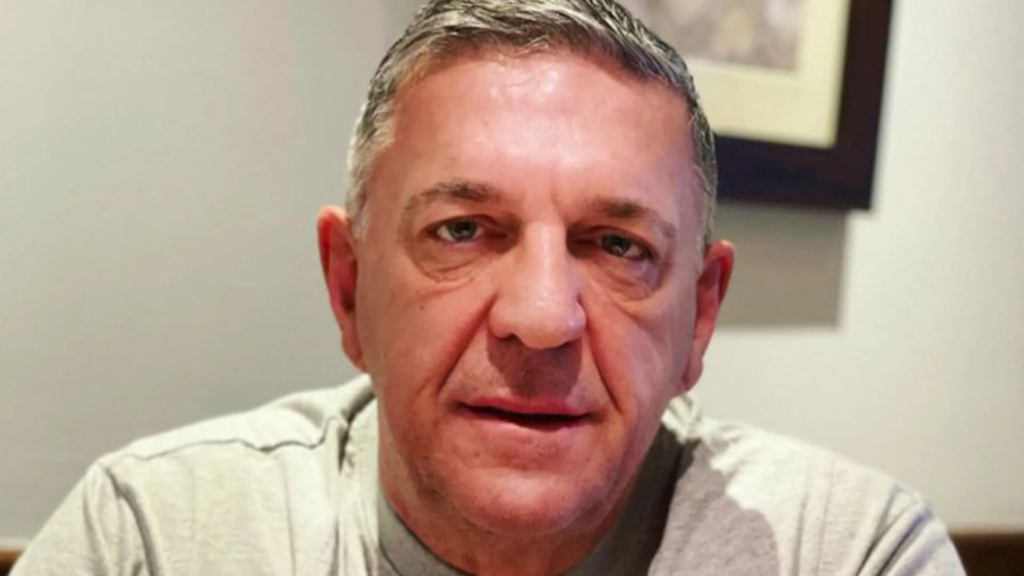
There are no credible reports of his death. He continues to appear in interviews and remains part of ongoing discussions about British football hooliganism and organized crime history.
While he no longer lives the violent lifestyle that defined his younger years, his name continues to circulate because of media portrayals and public curiosity.
Final Thoughts
The question “Is Carlton Leach still alive?” reflects more than curiosity about one man’s survival. It reflects fascination with:
- Dangerous lifestyles
- Criminal mythology
- Redemption arcs
- The endurance of controversial figures
Carlton Leach’s life has been dramatic, violent, and controversial — but it has also been long enough for reflection and transformation.
He survived football firm violence.
He survived association with organized crime.
He survived addiction and personal struggle.
And today, he remains alive — a living reminder of a turbulent era in British cultural history.
Whether viewed as a cautionary tale, a controversial figure, or a man who outlived expectations, Carlton Leach’s story continues to capture public attention.
And that ongoing curiosity is exactly why the question keeps being asked.
