



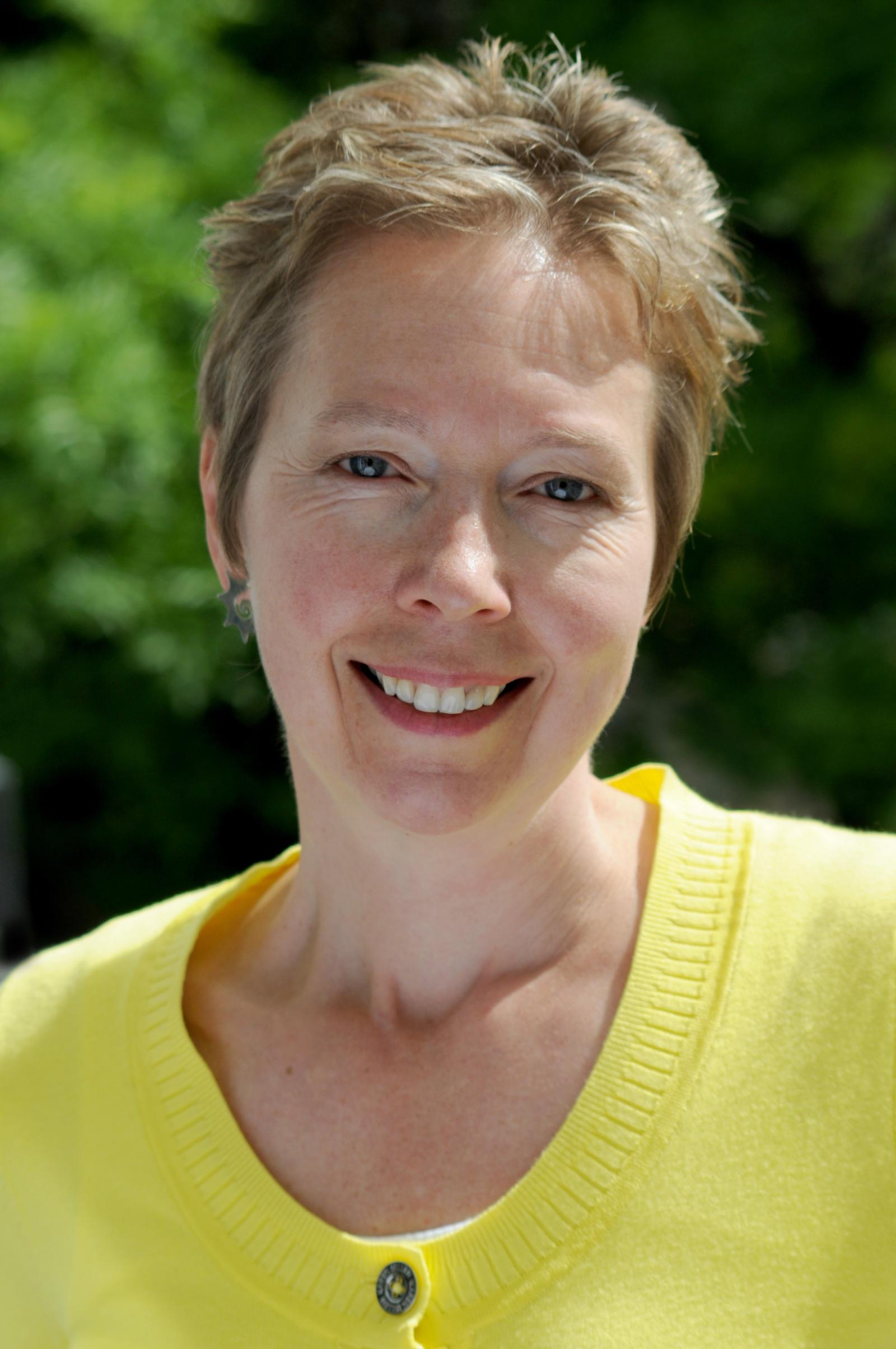
Caroline Watt is widely recognized as a leading academic voice in the scientific study of paranormal experiences. Known for her work in psychology and parapsychology, she has spent decades examining why people report seeing ghosts, sensing psychic phenomena, or experiencing events they interpret as supernatural. Rather than approaching such claims from a purely believing or dismissive perspective, Watt has carved out a thoughtful middle ground — one rooted in scientific inquiry, psychological understanding, and critical thinking.
caroline watt work stands at the crossroads of curiosity and skepticism. In a world where paranormal television shows, viral stories, and online speculation often blur the line between evidence and entertainment, Watt’s approach is grounded in research, methodology, and careful analysis. This article explores her background, academic journey, research contributions, philosophical stance, and the lasting impact of her work on the study of anomalous experiences.
Early Academic Foundations
Caroline Watt developed an early interest in understanding how the human mind works. Rather than focusing on supernatural claims themselves, she was intrigued by the psychology behind belief, perception, and memory. Her academic path led her into psychology, where she studied cognitive processes — the mental mechanisms that shape how people interpret reality.
Psychology provided caroline watt with the tools to investigate big questions such as:
- Why do people remember events differently from how they happened?
- How does expectation influence perception?
- Why do some individuals report paranormal experiences while others do not?
- What role do culture and upbringing play in belief systems?
These questions became central to caroline watt career. Instead of assuming that extraordinary claims were either true or false, she sought to understand the human processes behind them.
caroline watt postgraduate research further refined this interest. She examined anomalous experiences — events that individuals perceive as unusual, mysterious, or outside normal explanation. These experiences can include sensing a presence, seeing an apparition, or believing one has psychic insight. Watt’s goal was not to validate or invalidate these experiences outright, but to analyze them scientifically.
The Scientific Study of the Paranormal
The term “parapsychology” often carries controversy. Some people associate it with ghost hunters or sensational claims of psychic powers. However, in an academic context, parapsychology refers to the systematic study of reported psychic and anomalous phenomena using scientific methods.
Caroline Watt became deeply involved in this field. She worked within university settings to ensure that research into paranormal claims met rigorous scientific standards. This meant applying controlled experiments, peer review, statistical analysis, and replication efforts.
caroline watt work explored areas such as:
- Claimed telepathy or extrasensory perception
- Reports of haunted locations
- Near-death experiences
- Psychic readings and mediumship
- Belief formation in supernatural explanations
A defining feature of her research was methodological integrity. Rather than seeking to prove the paranormal, she focused on examining whether claims could withstand scientific testing.
Leadership in Academic Research
Watt played a key role in leading research units dedicated to the scientific investigation of anomalous experiences. Under her guidance, research programs emphasized transparency and critical evaluation.
One of the central themes of her leadership was improving experimental design. In controversial fields like parapsychology, weak methods can easily lead to misleading conclusions. Watt consistently advocated for:
- Strong control groups
- Blind or double-blind procedures
- Clear statistical analysis
- Replication of findings
- Openness to peer review
caroline watt approach helped bring greater credibility to research in an area often criticized for lacking scientific rigor.
Understanding Anomalous Experiences
A cornerstone of Caroline Watt’s work is the distinction between experience and interpretation.
People frequently report powerful experiences they cannot explain. For example:
- Feeling a deceased loved one’s presence
- Seeing a shadowy figure in a dark room
- Dreaming about an event that later appears to occur
- Sensing intuitive knowledge about someone
Watt emphasizes that these experiences are real in the sense that people genuinely perceive them. The key question, however, is what causes them.
Psychological research offers several explanations that do not require supernatural causes:
Memory Reconstruction
Human memory is not like a video recording. It is reconstructive. Each time we recall an event, we subtly reshape it. Over time, memories can incorporate expectations, cultural narratives, and emotional influences.
This means that someone who believes in ghosts may unknowingly reinterpret ambiguous memories in ways that fit that belief.
Pattern Recognition
The human brain is exceptionally good at detecting patterns — sometimes too good. This tendency, known as patternicity, can lead people to see faces in shadows or meaning in coincidences.
In dim lighting or stressful situations, the brain may fill in missing information, creating the impression of something mysterious.
Expectation and Suggestibility
If someone enters a supposedly haunted location, their expectations can shape what they perceive. Even subtle suggestions — such as being told that others have seen something strange there — can influence interpretation.
Emotional Influence
Grief, fear, and stress can intensify perception. People experiencing loss may report sensing the presence of a loved one, which can be deeply meaningful psychologically even if not evidence of paranormal activity.
Watt’s research carefully explores these mechanisms without dismissing the emotional weight of the experiences themselves.
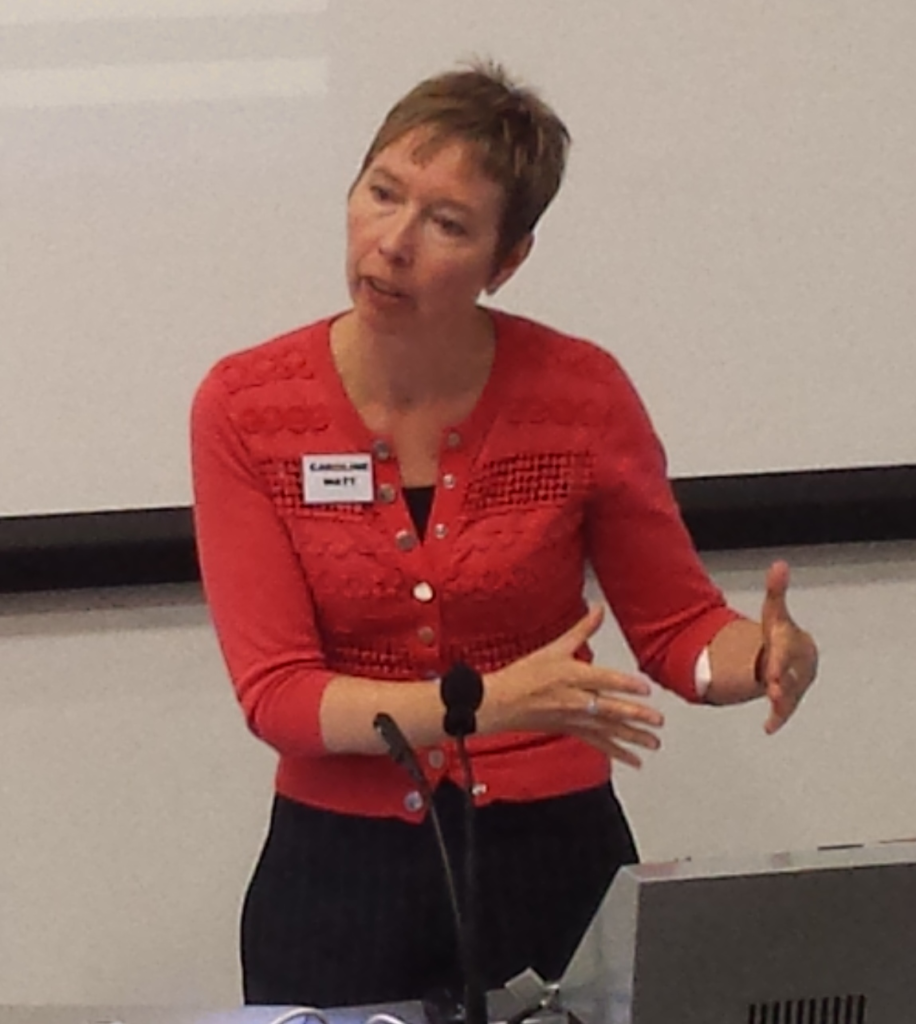
Skepticism With Empathy
Caroline Watt identifies as a scientific skeptic, but her skepticism is nuanced. She does not ridicule or belittle individuals who report paranormal experiences. Instead, she approaches claims with curiosity and critical inquiry.
Scientific skepticism involves:
- Asking for evidence
- Testing hypotheses
- Avoiding confirmation bias
- Remaining open to revision based on data
It does not mean assuming all claims are false. Rather, it means withholding belief until sufficient evidence is presented.
Watt’s balanced tone has made her an effective communicator in public discussions. She recognizes that many paranormal experiences are tied to deeply personal moments. By acknowledging the emotional significance of such events, she avoids alienating those who hold supernatural beliefs.
Publications and Public Education
Caroline Watt has written extensively about paranormal belief and psychological interpretation. Her work is accessible to both academic audiences and general readers.
Her writing explores questions such as:
- Why do intelligent people believe in the paranormal?
- How does cognitive bias influence perception?
- What does scientific evidence say about psychic claims?
- Why do paranormal explanations persist in modern society?
Through books, lectures, and interviews, she has helped demystify paranormal claims while encouraging critical thinking.
Her ability to explain complex psychological principles in clear language has expanded her influence beyond university classrooms. She has appeared in media discussions, documentaries, and public forums where she offers calm, evidence-based perspectives.
The Cultural Context of Paranormal Belief
Another dimension of Watt’s work examines how culture shapes belief.
In different societies, anomalous experiences are interpreted through varying frameworks. In one culture, an unusual event might be seen as a ghost encounter. In another, it might be interpreted as a spiritual vision or psychological episode.
By studying cross-cultural differences, Watt highlights how belief systems influence interpretation.
She also examines how media affects perception. Television shows and online videos often present paranormal investigations as dramatic and conclusive. This portrayal can reinforce belief systems without providing scientific validation.
Watt encourages audiences to distinguish between entertainment and empirical research.
Criticism and Controversy
Because parapsychology is a controversial field, Watt’s work has attracted criticism from both sides.
Some skeptics argue that studying paranormal claims at all lends them undue legitimacy. Others who strongly believe in psychic phenomena sometimes criticize her for not affirming supernatural explanations.
Watt’s response is rooted in scientific integrity. She maintains that claims should be tested rigorously, and conclusions should be based on data rather than preference.
Her commitment to methodological rigor has earned respect among many researchers, even those who remain unconvinced that paranormal phenomena exist.
Teaching and Mentorship
In addition to research and writing, Caroline Watt has dedicated significant time to teaching. She has mentored students in psychology, guiding them through experimental design, statistical analysis, and critical reasoning.
Many students are drawn to psychology because of curiosity about extraordinary experiences. Watt helps them approach these interests scientifically.
Her mentorship emphasizes:
- Evidence over anecdote
- Openness to revision
- Ethical research practices
- Clear communication of findings
Through education, she ensures that future researchers can examine controversial topics responsibly.
The Importance of Critical Thinking
One of the most enduring contributions of Caroline Watt’s work is her emphasis on critical thinking.
In an era where misinformation spreads quickly online, the ability to evaluate claims objectively is more important than ever.
Her research teaches people to ask:
- What evidence supports this claim?
- Could there be alternative explanations?
- Is the source reliable?
- Has the finding been replicated?
These questions extend beyond paranormal claims. They apply to health information, political news, social media stories, and everyday decision-making.
By applying psychological principles to extraordinary claims, Watt demonstrates how the human mind can be both powerful and fallible.
Lasting Impact
Caroline Watt’s legacy lies not in proving or disproving ghosts or psychic powers, but in elevating the conversation around them.
She has shown that:
- Paranormal experiences can be studied scientifically.
- Psychological explanations are often more compelling than supernatural ones.
- Belief systems deserve examination rather than ridicule.
- Evidence matters.
Her balanced, thoughtful approach provides a model for how controversial topics can be explored without sensationalism.

Conclusion
Caroline Watt stands as a respected figure in psychology and the scientific study of anomalous experiences. Through decades of research, teaching, and public engagement, she has demonstrated that curiosity and skepticism can coexist.
Her work does not strip mystery from the world; instead, it reveals how fascinating the human mind truly is. The ways we perceive, interpret, and remember experiences are complex and powerful.
In examining paranormal claims, Watt invites us to look inward — at cognition, bias, culture, and emotion — rather than outward toward unexplained forces.
Her contribution is not merely academic. It is a reminder that understanding ourselves is often the key to understanding the mysteries we think lie beyond us.
In a world eager for dramatic answers, Caroline Watt offers something more enduring: thoughtful inquiry, scientific integrity, and respect for both evidence and experience.
