



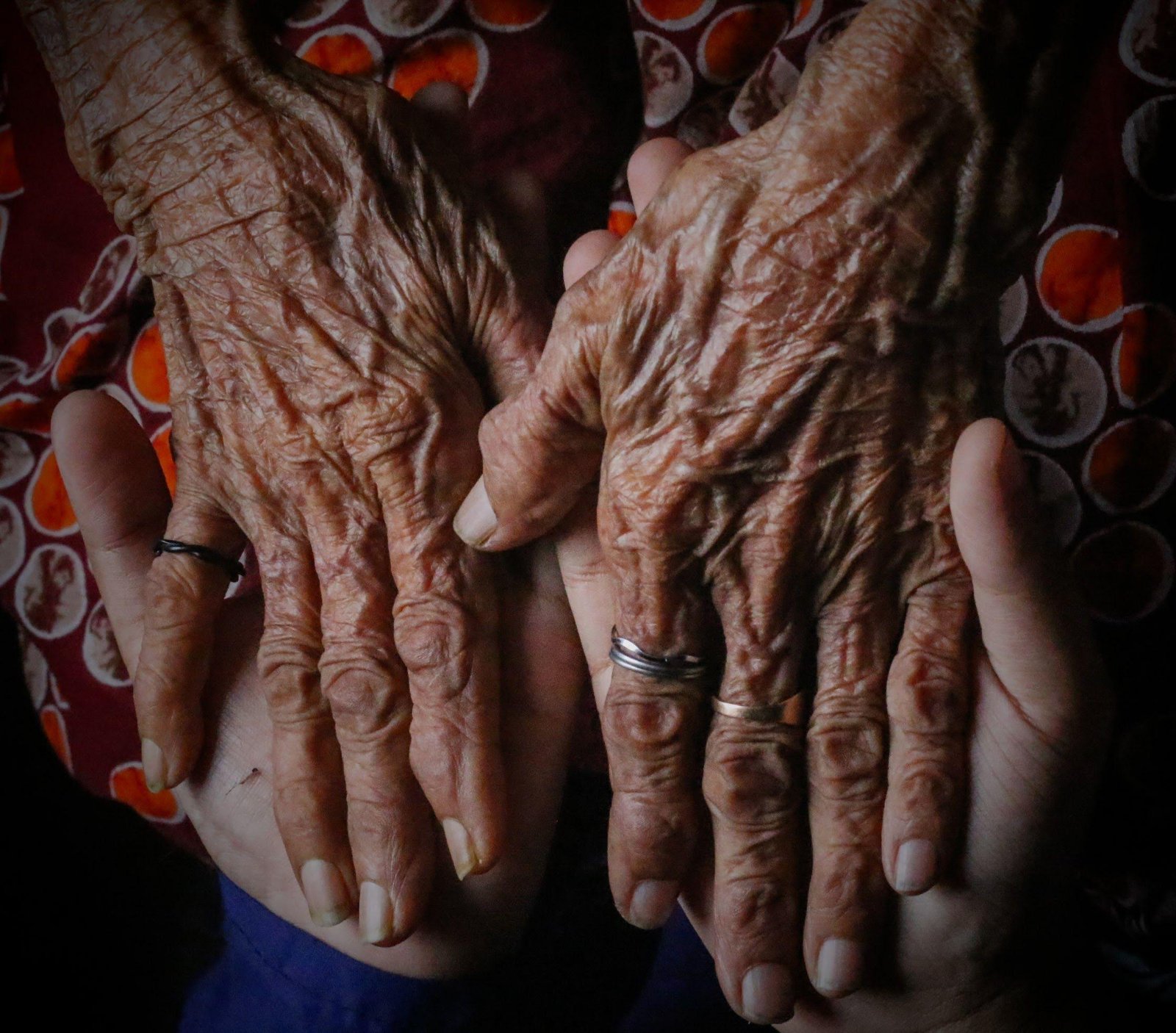
Friendship plays a meaningful role in shaping comfort, confidence, and emotional well being for older adults. A thoughtfully designed senior community can make it easier for residents to build genuine connections through shared experiences, welcoming spaces, and supportive programs. When social opportunities are woven naturally into daily life, they help individuals feel valued, included, and reassured. These moments of connection enrich everyday routines and contribute to a lifestyle shaped by belonging and companionship.
Shared Activities That Encourage Natural Interaction
Participating in shared activities allows residents to enjoy companionship in a relaxed and welcoming environment. Creative workshops, musical gatherings, and discussion groups offer opportunities for individuals to express themselves, explore interests, and connect with neighbors. These experiences help residents build friendships through meaningful interactions that feel comfortable and enjoyable.
Communities such as Independent Living with supportive services** in Boise demonstrate how thoughtful programming can support emotional well being. When residents feel comfortable joining activities that match their interests, they often experience a greater sense of ease and fulfillment throughout the day.
Community Events That Strengthen Togetherness
Seasonal celebrations, themed gatherings, and special events create moments of joy and shared enjoyment. These occasions bring residents together in ways that highlight community spirit and encourage meaningful interaction. Whether attending a performance, enjoying a festive meal, or participating in a collaborative project, individuals benefit from experiences that foster connection.
Events also help residents feel included and appreciated. They provide opportunities for laughter, conversation, and shared memories that strengthen long term friendships and enrich daily life.
Purposeful Opportunities That Support Fulfillment
A sense of purpose contributes significantly to emotional balance and personal satisfaction. Communities that offer opportunities for residents to share their skills, ideas, and experiences help individuals feel valued and engaged. This may include participating in resident councils, contributing to creative projects, or volunteering within the community.
Purpose driven involvement reinforces identity and confidence. It allows residents to play an active role in shaping their environment, supporting both personal fulfillment and meaningful connection with others.
Dining Experiences That Encourage Companionship
Mealtimes offer natural opportunities for conversation and shared enjoyment. A welcoming dining environment, thoughtful meal preparation, and flexible seating arrangements help residents feel comfortable and relaxed. Sharing meals with neighbors encourages companionship and creates moments of connection that enrich daily life.
Dining experiences often become cherished parts of the day. They support both nourishment and emotional well being, helping residents enjoy familiar routines and build relationships through shared enjoyment.
Wellness Programs That Promote Social Engagement
Wellness offerings designed for aging adults often include group activities that encourage social interaction. Gentle movement classes, relaxation sessions, and educational discussions provide opportunities for residents to participate in supportive environments that foster connection. These programs help individuals feel more comfortable engaging socially while enjoying experiences that promote balance and comfort.
By supporting both physical and emotional well being, wellness programs contribute to a more connected and reassuring daily experience.
Welcoming Common Spaces That Invite Interaction
Comfortable lounges, inviting outdoor areas, and thoughtfully designed gathering spaces make it easier for residents to enjoy companionship in a relaxed setting. These environments encourage natural interaction, whether through casual conversation, shared activities, or quiet moments spent alongside neighbors.
Welcoming spaces help residents feel part of a supportive community. They create opportunities for meaningful relationships to flourish and contribute to a lifestyle shaped by connection and belonging.
Conclusion
Social opportunities play an essential role in fostering lasting friendships for aging adults. Shared activities, community events, purposeful involvement, enjoyable dining experiences, supportive wellness programs, and welcoming common spaces all help residents feel connected, valued, and at ease. When communities prioritize these elements, they create environments where individuals can enjoy meaningful relationships and a more fulfilling everyday experience.
