




The search term “Gillian Smart weather” reflects growing public interest in a professional meteorologist whose work in forecasting and broadcasting has attracted attention for clarity, reliability, and scientific depth. Weather presenters today do far more than announce sunshine or rain. They interpret complex atmospheric data, communicate risks, and help communities prepare for changing conditions. Gillian Smart represents this modern generation of weather comunicators — blending science, technology, and accessible presentation.
This in-depth article explores gillian smart weather career background, her approach to weather forecasting, the science behind her work, her communication style, and the broader importance of professional meteorology in today’s climate-aware world.
Who Is gillian smart weather?
gillian smart weather is known as a weather presenter and meteorologist who has built a professional reputation around delivering clear, data-driven forecasts. Her work centers on interpreting atmospheric conditions and translating technical meteorological information into practical guidance for everyday audiences.
While meteorologists often work behind the scenes analyzing data, weather presenters serve as the public face of atmospheric science. gillian smart weather role places gillian smart weather at the intersection of research, communication, and public service.
gillian smart weather forecasting work typically includes:
- Daily weather updates
- Analysis of approaching weather systems
- Severe weather alerts
- Seasonal outlooks
- Climate-related context when relevant
gillian smart weather is recognized not just for relaying information, but for helping viewers understand what weather patterns mean in real life.
The Educational Foundation Behind Weather Forecasting
Becoming a meteorologist requires a strong academic background. Meteorology combines elements of physics, mathematics, environmental science, and geophysics. Professionals in the field must understand:
- Atmospheric pressure systems
- Wind dynamics
- Temperature gradients
- Moisture content and precipitation processes
- Storm development
- Ocean-atmosphere interactions
Although detailed personal academic records may not always be widely publicized, professionals in gillian smart weather role typically undergo university-level study in meteorology or atmospheric science, followed by specialized forecasting training.
Meteorologists rely heavily on data interpretation and model comparison, meaning analytical thinking is central to the job.
The Science Behind Gillian Smart’s Forecasts
Weather forecasting today is powered by advanced technology.gillian smart weather work would involve interpreting data from several key sources:
1. Numerical Weather Prediction Models
These are complex computer simulations that use mathematical equations to predict atmospheric changes. They incorporate real-time observations from satellites, weather stations, aircraft, and ocean buoys.
Meteorologists compare multiple models to assess confidence levels and identify potential discrepancies.
2. Satellite Imagery
Satellites provide continuous monitoring of cloud cover, storm systems, and atmospheric moisture. This imagery helps meteorologists track developing weather events.
3. Radar Systems
Radar shows precipitation intensity and movement, allowing forecasters to monitor rain bands, thunderstorms, and snowfall patterns.
4. Surface Observations
Local weather stations provide temperature, wind speed, humidity, and pressure readings, which are crucial for short-term accuracy.
gillian smart weather ability to synthesize this data into a clear, concise forecast is a defining element of her professional role.
Communication Style: Making Weather Understandable
One of the most important aspects of “Gillian Smart weather” is her communication style. Technical accuracy alone is not enough; effective weather presentation requires clarity and relatability.
Strong weather communication includes:
- Explaining weather systems without excessive jargon
- Highlighting practical impacts rather than just raw data
- Providing clear timelines for changes
- Maintaining a calm and reassuring tone during severe events
Instead of focusing solely on meteorological terminology, communicators like gillian smart weather emphasize what viewers need to know:
- Will it rain during commute hours?
- How cold will it feel with wind chill?
- Is travel likely to be disrupted?
- Should outdoor plans be adjusted?
This practical approach builds trust and viewer loyalty.
Severe Weather Coverage
Weather becomes especially critical during extreme events. Storms, heavy rainfall, snow, and heatwaves require careful and responsible reporting.
In severe weather situations, meteorologists must:
- Explain the scale and timing of the event
- Clarify risk levels
- Avoid unnecessary alarm
- Provide safety advice
Gillian Smart’s weather reporting style likely reflects a balanced approach — serious without being sensational. Clear communication during high-risk conditions can significantly influence public preparedness.
Weather and Climate Awareness
Weather and climate are related but distinct concepts. Weather describes short-term atmospheric conditions, while climate refers to long-term patterns and averages.
In recent years, climate awareness has become increasingly important in weather discussions. Meteorologists often explain how broader climate trends influence local weather extremes, such as:
- More intense rainfall events
- Rising average temperatures
- Longer heatwaves
- Shifts in seasonal patterns
While day-to-day forecasts focus on immediate conditions, modern weather communicators help audiences understand the larger environmental context.
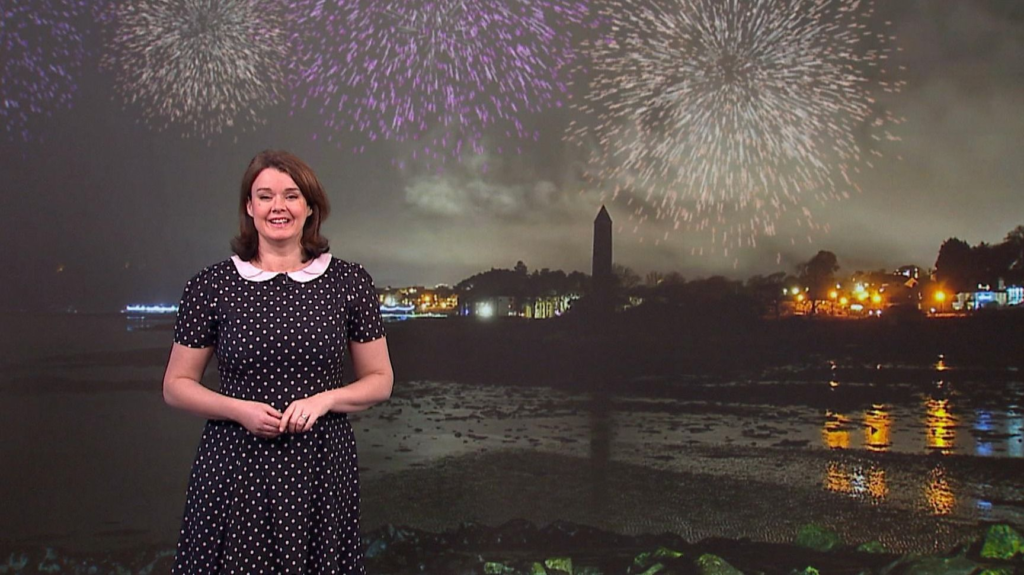
The Human Side of Weather
Weather is deeply personal. It affects travel, agriculture, construction, sports, and daily routines. Good weather presenters recognize that forecasts are not abstract science — they influence real lives.
Gillian Smart’s approach reflects this human dimension. Rather than presenting weather as isolated data points, she frames forecasts around real-world implications:
- Planning a family event
- Managing a commute
- Protecting crops
- Preparing for temperature drops
This ability to connect science to everyday life is what distinguishes memorable weather communicators from purely technical forecasters.
The Evolution of Weather Broadcasting
Weather broadcasting has changed dramatically over the decades. Earlier forecasts relied heavily on simple charts and verbal explanations. Today’s technology includes:
- Interactive graphics
- Animated weather maps
- High-resolution satellite imagery
- Real-time radar loops
- Mobile app integration
Modern meteorologists must adapt to both traditional television and digital platforms. Social media, live streams, and online weather portals now complement studio broadcasts.
Gillian Smart’s weather presence reflects this modern era, where technology enhances presentation and expands audience reach.
Public Trust and Responsibility
Weather forecasting carries a level of public responsibility. Inaccurate or poorly communicated forecasts can lead to confusion or lack of preparedness.
Trust is built through:
- Consistency
- Transparency about uncertainty
- Clear updates when conditions change
- Professional demeanor
Meteorologists like Gillian Smart contribute to public trust by explaining not only what is likely to happen but also how confident forecasters are in those predictions.
The Daily Workflow of a Meteorologist
Behind each weather broadcast lies significant preparation. A typical day in professional forecasting might include:
- Reviewing model updates early in the morning
- Comparing international forecasting systems
- Analyzing satellite loops
- Preparing graphics
- Writing scripts
- Coordinating with newsroom teams
Weather is constantly changing, meaning forecasts often require last-minute adjustments. Flexibility and attention to detail are crucial.
Gillian Smart’s work likely follows a similar structured and disciplined routine.
Weather Literacy and Education
An important contribution of professional meteorologists is improving public weather literacy. Understanding basic weather concepts empowers people to interpret forecasts independently.
Weather literacy includes understanding:
- The difference between showers and steady rain
- What a percentage chance of precipitation means
- How wind direction affects temperature perception
- The significance of pressure systems
Through clear explanations, Gillian Smart helps audiences become more informed and confident about weather information.
The Broader Impact of Weather Communication
Weather affects industries ranging from aviation and shipping to tourism and agriculture. Accurate forecasts support economic stability and public safety.
The role of meteorologists extends beyond daily forecasts. They also:
- Contribute to emergency planning
- Collaborate with climate researchers
- Provide expert commentary during major events
- Support infrastructure decision-making
Weather presenters serve as the public voice of these scientific efforts.
Balancing Accuracy and Accessibility
One of the greatest challenges in weather communication is balancing scientific accuracy with simplicity. Oversimplification can distort meaning, while too much technical detail can confuse audiences.
Effective communicators like Gillian Smart strike a careful balance:
- Clear but accurate language
- Brief but informative explanations
- Visual reinforcement of key points
This approach ensures that forecasts remain both reliable and understandable.
The Growing Importance of Weather Expertise
As global weather patterns shift and extreme events become more frequent in many regions, the demand for professional meteorology increases.
Audiences rely on weather presenters to:
- Interpret rapidly changing conditions
- Explain unusual seasonal behavior
- Provide reassurance during uncertainty
The professionalism of meteorologists like Gillian Smart becomes even more valuable during these times.

Conclusion
The phrase “Gillian Smart weather” represents more than just daily forecasts — it reflects a professional approach to atmospheric science communication. As a meteorologist and weather presenter, Gillian Smart combines technical expertise with accessible delivery, helping audiences understand both routine conditions and significant weather events.
Her work demonstrates the importance of:
- Scientific accuracy
- Clear communication
- Public trust
- Practical relevance
In today’s world, weather forecasting is not simply about predicting rain or sunshine. It is about translating complex atmospheric data into meaningful guidance that helps people plan, prepare, and stay safe.
Through clarity, professionalism, and commitment to science, Gillian Smart’s weather reporting contributes to a better-informed public — and that makes her role both significant and essential.
