



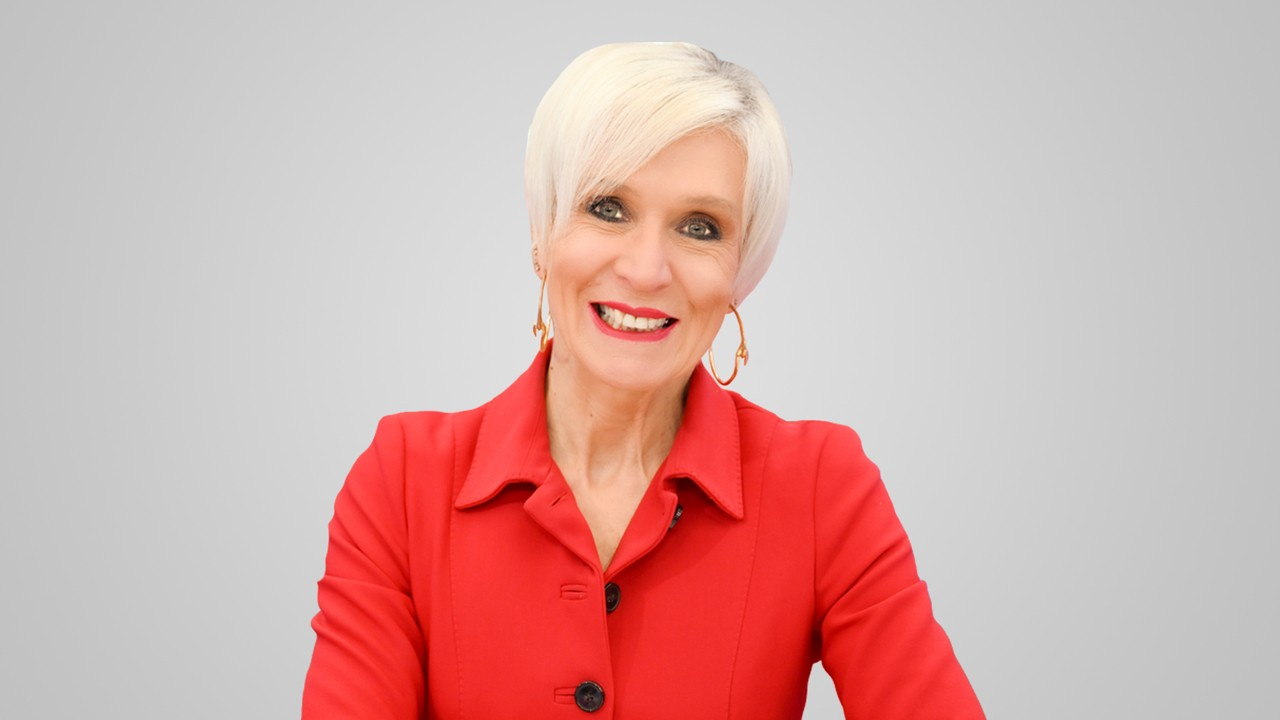
When people search for “Dawn Neesom illness,” they are often looking for clarity, reassurance, and understanding. Dawn Neesom is a well-known media personality whose career in journalism and broadcasting has brought her into the public eye for many years. Whenever someone with a public presence faces health challenges, it naturally sparks curiosity and concern among supporters, colleagues, and audiences.
Health is a deeply personal matter, yet for public figures,dawn neesom illness it sometimes becomes part of public conversation. This article explores what is understood about Dawn Neesom’s illness in a respectful and thoughtful way, while also examining broader themes such as how illness affects public figures, the emotional impact of health struggles, the balance between privacy and public interest, and the human response to vulnerability.
Understanding Public Interest in Health Matters
When a public figure experiences illness, the reaction from the public is often immediate and heartfelt. People who have followed a journalist, broadcaster, or media personality for years can feel a sense of familiarity and connection. That connection may not be personal in the traditional sense, but it is meaningful.
Audiences may have:
- Watched them on television
- Listened to their voice on the radio
- Read their columns regularly
- Followed their opinions and commentary
As a result, news about dawn neesom illness can feel personal. Supporters want reassurance. They want to know if the person is recovering, if they are safe, and whether they will return to their professional role.
This reaction reflects empathy rather than intrusion. It shows how media figures can become part of people’s daily routines and emotional landscapes.
dawn neesom illness in the Context of Public Life
dawn neesom illness can affect anyone, regardless of career or social status. However, for someone in the public eye, health challenges carry additional layers of complexity.
A public figure dealing with illness may face:
- Time away from professional duties
- Questions from colleagues and media outlets
- Public speculation
- Pressure to provide updates
- Emotional stress from balancing privacy and transparency
The need to step back from work due to health can be difficult, particularly in professions where visibility and consistency are key components of success.
For media professionals, absence can sometimes lead to rumors or questions. In such situations, even a brief acknowledgment of health challenges can reassure audiences while maintaining personal boundaries.
Physical and Emotional Dimensions of Illness
dawn neesom illness is not limited to one definition. It may refer to:
- Short-term medical conditions
- Chronic health issues
- Serious diseases requiring treatment
- Recovery from surgery
- Mental health challenges
- Stress-related conditions
The physical effects of illness can include fatigue, pain, weakness, or the need for medical intervention. At the same time, emotional effects may include anxiety, frustration, vulnerability, or concern about the future.
Public figures may experience additional emotional strain because their health becomes a subject of discussion. Managing recovery while navigating public attention requires resilience and strong personal support systems.
Privacy and Respect
One of the most important aspects of discussing health matters is respecting privacy. Medical information is personal and protected for good reason. Individuals have the right to decide how much or how little they share about their health.
Even when someone is well-known, they are entitled to:
- Medical confidentiality
- Personal dignity
- Control over their narrative
- The ability to recover without pressure
When discussing dawn neesom illness, it is essential to focus on compassion and respect rather than speculation.
Public figures may choose to share updates in their own time and in their own words. That choice should always be honored.
The Emotional Impact on Supporters
When supporters hear that someone they admire is unwell, it can evoke a range of emotions:
- Concern
- Sympathy
- Hope
- Reflection on personal health
- Gratitude for past contributions
Sometimes, hearing about someone else’s health challenges encourages people to appreciate their own wellbeing or to reconnect with loved ones. Illness stories often remind us of the fragility and preciousness of life.
Messages of support from the public can be powerful. They can provide encouragement during difficult times and reinforce the idea that the individual’s work and presence have made a meaningful impact.
Professional Interruptions and Career Adjustments
Health challenges can temporarily interrupt professional activities. For journalists and broadcasters, this may mean:
- Pausing appearances
- Reducing workload
- Adjusting schedules
- Focusing on recovery
Taking time away from public duties can be both necessary and difficult. Many professionals are deeply committed to their work and may find stepping back challenging.
However, prioritizing health is essential. Recovery often requires rest, treatment, and reduced stress. In the long term, taking appropriate time to heal can lead to stronger returns and sustained wellbeing.
The Human Side of Public Figures
One important outcome of illness discussions is the reminder that public figures are human beings. Behind every headline or television appearance is a person with:
- Family
- Friends
- Health concerns
- Personal struggles
- Private emotions
Seeing vulnerability in someone who is typically confident and composed can humanize them. It can create a deeper sense of connection between the individual and the audience.
Rather than diminishing their public image, moments of openness often enhance respect and empathy.
Media Responsibility in Health Reporting
When health issues become part of public discourse, responsible communication is crucial. Ethical reporting and discussion should:
- Avoid speculation
- Use respectful language
- Focus on verified information
- Refrain from sensationalism
- Emphasize recovery and resilience
dawn neesom illness should not be treated as entertainment or gossip. Instead, it should be approached with care and sensitivity.
In many cases, public figures appreciate supportive commentary rather than intrusive investigation.
The Importance of Support Systems
No one faces dawn neesom illness alone. Strong support networks are critical to recovery. These networks may include:
- Immediate family members
- Close friends
- Professional colleagues
- Medical teams
- Loyal supporters
Encouragement from these sources can provide emotional strength and reassurance. Public messages of goodwill can also boost morale.
Support systems offer practical help as well, whether through caregiving, scheduling assistance, or simply companionship.
Resilience and Strength
Health challenges often reveal inner strength. Resilience does not mean ignoring pain or difficulty; it means navigating adversity with courage and determination.
When someone continues to communicate with grace or expresses gratitude despite dawn neesom illness, it can inspire others.
Resilience can involve:
- Seeking appropriate medical care
- Maintaining a positive outlook
- Setting realistic recovery goals
- Accepting temporary limitations
- Staying connected with supportive people
Stories of recovery and perseverance can motivate others who may be experiencing similar challenges.
Broader Conversations About Health Awareness
Discussions about illness, even in the context of public figures, can contribute to larger societal awareness. When people see that health issues affect individuals from all walks of life, it can reduce stigma and encourage open conversations.
This is particularly important for:
- Chronic illnesses
- Invisible conditions
- Mental health challenges
- Stress-related disorders
Open yet respectful dialogue fosters understanding and compassion.
The Psychological Impact of Public Attention
Being in the public eye while dealing with dawn neesom illness can intensify emotional strain. Public attention may bring:
- Supportive messages
- Questions from media
- Speculation online
- Increased scrutiny
Managing these elements requires careful boundaries. Some individuals choose to share minimal information, focusing instead on recovery.
Others may share updates to reassure supporters and reduce rumors.
Each approach is valid, and personal comfort should guide the decision.
What Supporters Can Do
When someone they admire is unwell, supporters can take constructive steps:
- Share kind words
- Respect privacy
- Avoid spreading unverified information
- Celebrate past achievements
- Offer encouragement
Compassionate engagement strengthens community bonds and maintains dignity.
dawn neesom illness as a Shared Human Experience
One reason dawn neesom illness stories resonate deeply is that everyone, at some point, faces health challenges. Hearing about someone else’s journey can remind us of our shared humanity.
Illness can:
- Encourage reflection
- Inspire gratitude
- Strengthen empathy
- Highlight the importance of health
- Reinforce the value of relationships
Rather than focusing solely on the condition itself, the emphasis can shift toward support, hope, and resilience.
Hope and Recovery
Recovery is a powerful theme in any discussion about illness. Even when health challenges are serious or ongoing, hope remains central.
Hope may involve:
- Gradual improvement
- Adaptation to new routines
- Successful treatment outcomes
- Emotional healing
- Renewed professional activity
Maintaining hope does not mean ignoring reality. It means acknowledging difficulty while believing in progress.
Maintaining Perspective
When health issues arise in the lives of public figures, it is important to maintain perspective. dawn neesom illness is part of life. It does not erase achievements, define identity, or diminish contributions.
Public figures are not solely defined by moments of vulnerability. Their careers, accomplishments, and influence remain significant.
Health challenges may temporarily shift focus, but they do not overshadow a lifetime of work and impact.

Conclusion
The search term “Dawn Neesom illness” reflects genuine concern and interest in her wellbeing. It highlights how audiences connect with media personalities and care about their lives beyond professional roles.
At the same time, discussions about dawn neesom illness should prioritize compassion, privacy, and dignity. Health is deeply personal, even for those in the public eye.
Illness reminds us of our shared humanity. It underscores the importance of support, resilience, and empathy. Whether facing temporary setbacks or more significant challenges, individuals navigating health issues deserve understanding and respect.
Ultimately, conversations about health should focus not on speculation, but on kindness. By responding with empathy and thoughtful engagement, supporters honor both the individual and the broader values of humanity.
Health challenges may arise, but so do strength, hope, and community support. In that balance lies the true story — one not defined by illness alone, but by resilience, dignity, and the enduring connection between public figures and those who care about them.
