



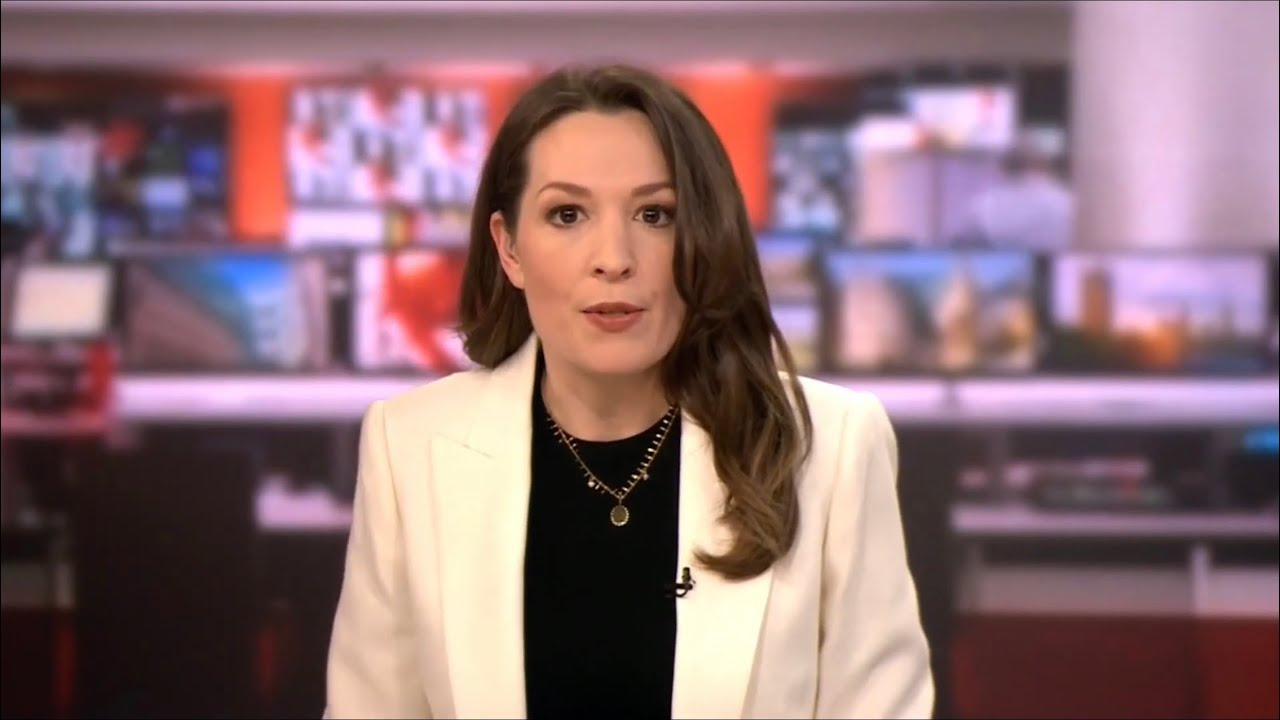
Frankie McCamley is a respected British broadcast journalist, television presenter, radio host, documentary maker, and public speaker whose career reflects the changing face of modern journalism. Known for her authoritative yet empathetic delivery, she has become a familiar and trusted figure to audiences across the United Kingdom and beyond. Through years of frontline reporting, live presenting, and in-depth storytelling, Frankie McCamley has built a reputation for journalistic integrity, versatility, and clarity in an increasingly complex media world.
frankie mccamley work spans television, radio, digital platforms, and live events, demonstrating an ability to adapt across formats while maintaining strong editorial standards. Whether anchoring breaking news, reporting from the field, or hosting public discussions, McCamley represents a new generation of journalists who balance accuracy with humanity.
Early Life and Interest in Journalism
Frankie McCamley grew up in the United Kingdom, where her interest in communication and storytelling developed early. From a young age, she showed curiosity about world events, public affairs, and the way stories shape public understanding. This natural inclination toward asking questions and seeking truth became the foundation of her future career.
Her academic background further reinforced these interests. She pursued studies that focused on media, communication, and journalism, equipping her with both theoretical knowledge and practical skills. During this period, she developed a strong understanding of ethical reporting, research methods, and effective communication — all essential qualities for a successful journalist.
Education played a crucial role in shaping her confidence, analytical thinking, and ability to present complex information clearly. These skills would later become hallmarks of her professional work.
Starting Out in Radio Broadcasting
Like many accomplished broadcasters, Frankie McCamley began her professional journey in radio. Radio journalism demands precision, quick thinking, and the ability to engage audiences using only the voice — skills that form a strong foundation for any broadcaster.
Her early roles involved news reporting, bulletin reading, and content production. These experiences taught her how to work under pressure, meet tight deadlines, and respond calmly to breaking news situations. Radio also allowed her to develop a conversational yet authoritative style, which later translated seamlessly into television presenting.
Working with national radio platforms helped her gain exposure to diverse audiences and subject areas. From social issues and culture to politics and global affairs, McCamley learned to adapt her tone and storytelling approach depending on the audience and subject matter.
Rise to Prominence in Television News
Frankie McCamley’s transition from radio to television marked a major milestone in her career. Television broadcasting requires not only journalistic skill but also strong on-screen presence and the ability to communicate confidence and trustworthiness visually as well as verbally.
As a television news presenter and correspondent, she quickly established herself as a credible and composed professional. She became known for delivering breaking news with clarity, maintaining calm during live broadcasts, and handling sensitive topics with care and balance.
Her television work has covered a wide range of stories, including national politics, international relations, social justice issues, education policy, and human-interest features. This breadth of experience reflects her adaptability and commitment to providing audiences with accurate and meaningful information.
International Reporting and Global Perspective
One of the defining aspects of Frankie McCamley’s career is her international reporting experience. Covering stories beyond national borders requires cultural awareness, strong research skills, and the ability to explain global events in a way that resonates with domestic audiences.
McCamley has reported from various international locations, covering elections, political developments, humanitarian issues, and global crises. These assignments demand resilience, flexibility, and sharp editorial judgment — qualities she has consistently demonstrated.
Her global reporting style emphasizes context. Rather than presenting events in isolation, she helps viewers understand the broader political, social, and historical factors at play. This approach strengthens public understanding and fosters more informed conversations around international affairs.
Education and Family Correspondent Role
A particularly significant chapter in Frankie McCamley’s career came when she specialized as an education and family correspondent. This role required in-depth knowledge of education systems, government policy, and the real-world impact of political decisions on families and communities.
She reported on issues such as school funding, curriculum changes, examination reforms, and access to education. Importantly, her reporting went beyond policy announcements to highlight the experiences of students, parents, and teachers affected by these decisions.
This role showcased her ability to combine investigative journalism with compassionate storytelling. By amplifying voices often overlooked in policy debates, she contributed to a more inclusive and human-centered approach to news coverage.

Documentary and Long-Form Storytelling
In addition to daily news reporting, Frankie McCamley has made a significant impact through long-form journalism and documentary work. These projects allow journalists to explore issues in greater depth, offering nuance and emotional resonance that shorter news segments cannot always provide.
Her documentary work often focuses on social justice, accountability, and personal stories connected to wider societal issues. Through careful research and sensitive interviewing, she brings complex narratives to life while maintaining journalistic rigor.
Long-form storytelling requires patience, editorial judgment, and the ability to build trust with contributors — qualities McCamley has demonstrated repeatedly. Her documentaries reflect a commitment to truth, fairness, and meaningful public discourse.
Live Hosting and Event Moderation
Beyond traditional journalism, Frankie McCamley is also a highly skilled live host and event moderator. She regularly leads panel discussions, conferences, and public forums on topics ranging from global politics to climate change and social equality.
Live moderation demands quick thinking, neutrality, and strong interpersonal skills. McCamley excels in guiding discussions, asking insightful questions, and ensuring balanced participation among speakers. Her journalistic background allows her to challenge viewpoints respectfully while keeping conversations informative and engaging.
Her work in this space highlights her versatility and ability to communicate effectively outside the newsroom, connecting journalism with public dialogue and civic engagement.
Public Speaking and Thought Leadership
Frankie McCamley is also recognized as a compelling public speaker. She is frequently invited to speak at educational institutions, corporate events, and international forums. Her talks often explore themes such as the future of journalism, media ethics, misinformation, and the role of storytelling in shaping society.
Drawing from real-world experience, she offers audiences practical insights into how news is made and why responsible journalism matters. Her speaking style is engaging, informative, and accessible, making complex media issues understandable to non-specialist audiences.
Through public speaking, McCamley contributes to media literacy and encourages critical thinking — essential skills in the digital age
Mentorship and Media Training
Another important aspect of Frankie McCamley’s professional life is her commitment to mentoring and training journalists. She has worked with aspiring reporters and media professionals, sharing knowledge about ethical reporting, newsroom practices, and career development.
Mentorship plays a crucial role in sustaining high standards within journalism. By supporting early-career journalists, McCamley helps ensure that future generations are equipped with the skills and values needed to uphold public trust.
Her involvement in training initiatives reflects a broader commitment to strengthening journalism as a public service rather than simply a profession.
Social Media and Digital Presence
In today’s media environment, journalists must navigate both traditional broadcasting and digital platforms. Frankie McCamley maintains a professional digital presence, sharing insights into her work, behind-the-scenes moments, and reflections on current events.
Her use of social media helps humanize journalism, offering audiences a glimpse into the realities of reporting while maintaining professional boundaries. This balanced approach enhances audience engagement without compromising credibility.
Digital platforms also allow her to reach younger audiences and participate in conversations shaping modern media culture.
Professional Reputation and Recognition
Over the years, Frankie McCamley has earned recognition for her professionalism, versatility, and contribution to journalism. Colleagues and audiences alike respect her for her calm authority, clear communication, and ethical approach to reporting.
Her reputation is built not on sensationalism but on trust — a quality increasingly rare and valuable in contemporary media. By prioritizing accuracy and context, she has established herself as a reliable source of information during both routine news cycles and major global events.
Challenges of Journalism in the Modern Era
Frankie McCamley’s career unfolds against the backdrop of significant challenges facing journalism today. These include misinformation, political polarization, declining public trust, and the pressure of 24-hour news cycles.
Her work demonstrates how journalists can respond to these challenges through transparency, fairness, and empathy. Rather than amplifying noise, she focuses on clarity and substance — qualities that strengthen journalism’s role in democratic societies.
Influence and Legacy
While still actively shaping her career, Frankie McCamley has already left a meaningful mark on British journalism. Her influence extends beyond individual broadcasts to the broader culture of responsible reporting and public engagement.
She represents a model of journalism that values depth over speed, understanding over outrage, and truth over spectacle. For aspiring journalists, her career offers an example of how dedication, adaptability, and ethical standards can lead to long-term success.
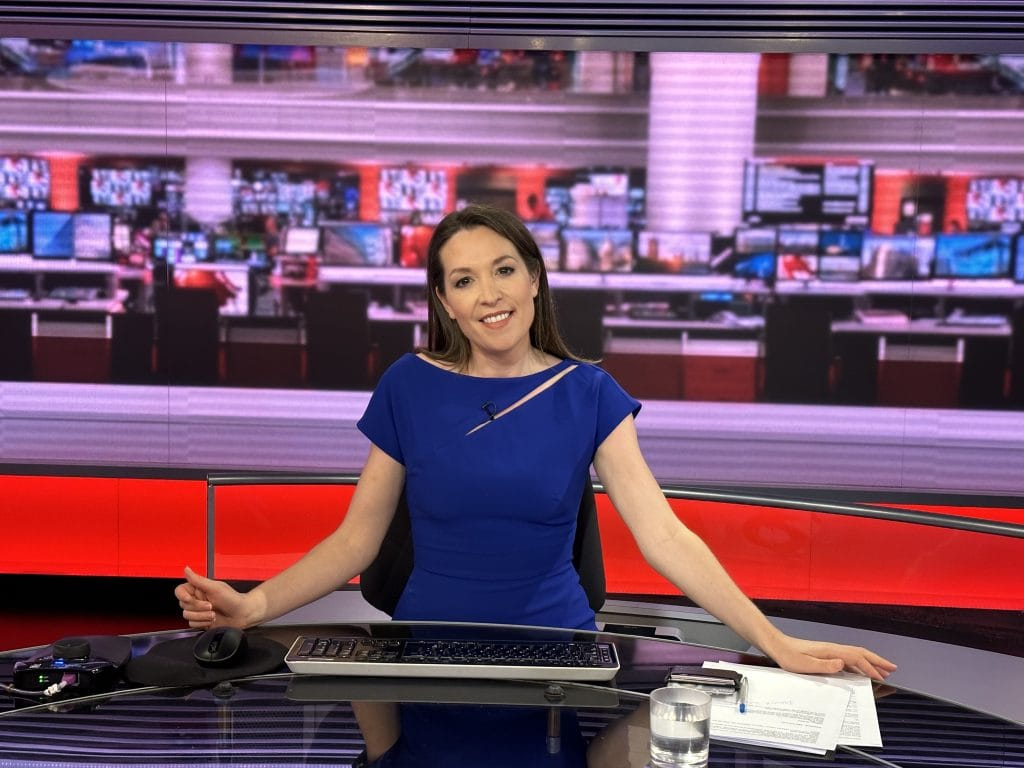
Conclusion
frankie mccamley stands as a powerful example of modern journalism done right. Through years of broadcasting, reporting, documentary storytelling, public speaking, and mentorship, she has demonstrated what it means to inform, educate, and engage the public responsibly.
Her career reflects the evolving role of journalists in a digital, interconnected world — one where trust, clarity, and humanity matter more than ever. As media continues to change, voices like Frankie McCamley’s will remain essential in helping audiences navigate the stories that shape our lives.
