




In modern cooking, innovation and precision increasingly go hand in hand. Chefs and home cooks alike are looking for ways to blend creativity with structure, flavor with technique, and experimentation with consistency. One intriguing concept that embodies this balance is “30 6df496j 261X5 in Cooking.” At first glance, this may seem like a technical code or abstract formula, but it can be understood as a metaphorical framework for contemporary culinary practice—a way to approach cooking with both logic and imagination.
This article explores what 30 6df496j 261X5 in Cooking can represent in the kitchen, offering insight into its potential meaning, practical applications, and philosophical significance. We will break it down into a system that combines precision, flavor layering, creative flexibility, and modern culinary innovation.
Understanding 30 6df496j 261X5 in Cooking
While the combination of letters and numbers may look complex, it can be interpreted as a structured approach to cooking:
- 30.6 – Precision in measurement, temperature, or timing.
- df496 – Dynamic flavor development, including balance, depth, and contrast.
- j261X5 – Five creative variables applied across a broad range of ingredients or techniques.
Together, this sequence symbolizes a modern cooking philosophy: combining science with art, planning with spontaneity, and technical accuracy with personal creativity.
The Role of Precision in Cooking
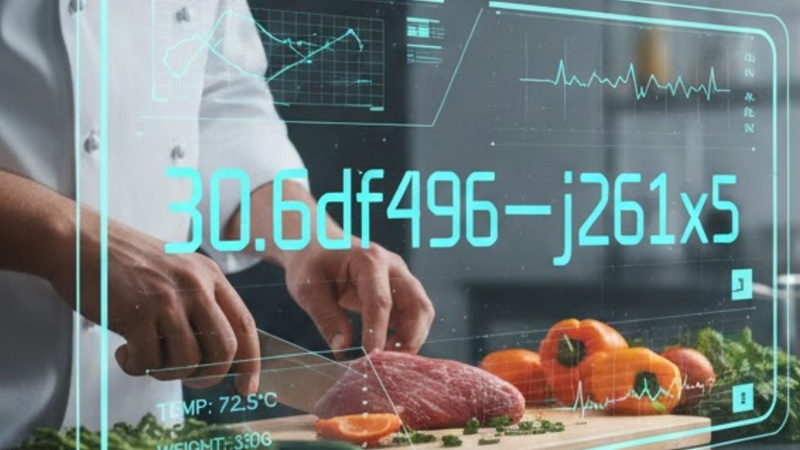
30 6df496j 261X5 in Cooking Precision is the backbone of this framework. Accurate timing, temperature control, and measurement are essential in achieving consistent results. Techniques such as sous-vide cooking, careful roasting, and controlled simmering all rely on precise numbers.
For example, cooking a protein at 30.6°C for a specific duration ensures it remains tender and retains moisture. Even small deviations can dramatically affect texture and taste. In this sense, the “30.6” portion of the code emphasizes the importance of controlled cooking environments and attention to detail.
Precision in modern cooking allows chefs and home cooks to reproduce dishes with confidence, experiment safely, and explore new textures and flavors without unpredictability.
Layering Flavors: The “df496” Principle
While precision 30 6df496j 261X5 in Cooking controls the technical aspect of cooking, flavor is what truly defines a dish. The “df496” component can be seen as a guide for dynamic flavor development, focusing on:
- Depth – Richness achieved through techniques such as roasting, caramelization, and slow cooking.
- Freshness – Bright notes provided by fresh herbs, citrus, or lightly cooked vegetables.
- Balance – Harmonizing sweet, salty, sour, bitter, and umami elements.
- Contrast – Creating tension with textures, temperatures, and flavor combinations.
For instance, a roasted 30 6df496j 261X5 in Cooking vegetable dish can be enhanced by a light drizzle of acid, a sprinkling of fresh herbs, and a crunchy topping, achieving layers of flavor and texture. The “df496” principle ensures that every bite is engaging and multi-dimensional.
Creative Variables: Decoding “j261X5”
The “j261x5” part can be thought of as a set of five adjustable variables that influence the outcome of any dish. These variables might include:
- Texture – Soft, crunchy, creamy, or chewy components.
- Aroma – Herbs, spices, or infused oils that enhance sensory experience.
- Color – Visual appeal and contrast on the plate.
- Acidity – Citrus, vinegar, or fermented ingredients for brightness.
- Fat content – Butter, oils, or nuts that improve mouthfeel and flavor integration.
By adjusting these variables thoughtfully, a cook can create countless variations using the same core ingredients, fostering creativity within a structured framework.
Practical Applications in the Kitchen
Professional Cooking
In fine dining and professional kitchens, the principles of 30.6df496–j261X5 can guide recipe development and execution. For example, a main course might include:
- Precisely cooked protein using a controlled temperature.
- Layered sauces balancing acidity, richness, and aromatic notes.
- Textural elements like crisped vegetables or crunchy garnishes.
- Visually appealing plating with color contrast.
- Creative finishing touches, such as microgreens or flavored oils.
This approach ensures consistency, efficiency, and a high-quality dining experience.
Home Cooking
Even at home, these principles are highly applicable. A simple pasta dish could be enhanced by:
- Cooking the pasta to precise al dente timing (precision).
- Layering flavors with roasted vegetables, fresh herbs, and a balanced sauce.
- Adding texture through toasted nuts or breadcrumbs.
- Ensuring visual appeal with colorful ingredients.
- Adjusting aroma and richness through olive oil or spices.
By following the structure of 30.6df496–j261X5, home cooks can elevate everyday meals into something extraordinary.
Science and Cooking
Modern cuisine increasingly incorporates science. Understanding chemical reactions, temperature control, and ingredient interactions allows for consistent results. Examples include:
- Maillard reaction for browning and flavor development.
- Emulsification for smooth sauces.
- Gelification or foams for modernist techniques.
The 30.6df496–j261x5 framework aligns with this scientific approach while leaving room for creativity, ensuring food is both technically precise and sensorially enjoyable.
Flavor Pairing and Experimentation
The framework also encourages experimentation with flavor pairings. By understanding the chemical composition of ingredients, cooks can discover unexpected combinations:
- Chocolate with chili for warmth and depth.
- Tomato and basil for classic freshness.
- Citrus with ginger for aromatic brightness.
The “j261x5” creative variables provide guidance for exploring these combinations without compromising balance or harmony.
Sustainability and Efficiency
Structured cooking can also improve sustainability:
- Precision reduces waste by controlling portions and ingredient use.
- Layering flavors allows maximum utilization of available ingredients.
- Creative adjustments repurpose leftovers and minimize waste.
By integrating the 30.6df496–j261x5 system, cooking becomes intentional, efficient, and environmentally conscious.
Health and Nutrition
Precision and variable adjustments also support nutrition:
- Monitoring fat, sugar, and salt content.
- Ensuring balanced macronutrients in every dish.
- Incorporating plant-based ingredients and fibers.
- Customizing meals to dietary preferences.
The framework demonstrates that structured cooking can prioritize both taste and health.
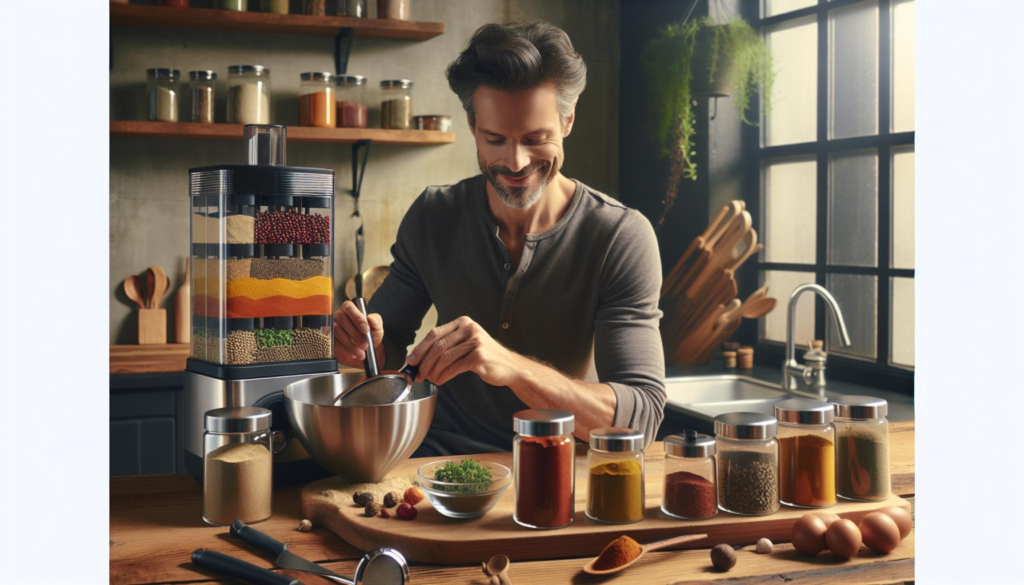
Presentation and Aesthetics
In addition to flavor, presentation is critical. The framework encourages:
- Color contrast for visual appeal.
- Thoughtful plating for balance.
- Attention to texture and height on the plate.
- Use of garnish and finishing oils to enhance sensory perception.
Modern diners eat with their eyes first, making visual appeal as important as taste.
Adapting Across Cuisines
The 30.6df496–j261X5 framework is versatile and can be adapted to any culinary tradition:
- Mediterranean: Olive oil, fresh herbs, roasted vegetables.
- Asian: Soy-based sauces, fermented ingredients, aromatic spices.
- Latin American: Chili, citrus, fresh herbs, bold flavors.
- Middle Eastern: Nuts, spices, slow-cooked grains, vibrant garnishes.
The principles of precision, flavor depth, and creative variables remain relevant across cuisines.
Innovation and Technology
Technology in the kitchen is transforming cooking:
- Smart ovens and sous-vide machines allow for precise temperature control.
- Apps and sensors track timing, ingredient ratios, and nutritional content.
- AI can suggest ingredient combinations based on flavor chemistry.
The 30.6df496–j261X5 framework complements technological innovation by offering a structured approach to experimentation.
Emotional Connection in Cooking
Despite its technical nature, the framework does not remove emotion from food. Structured cooking allows cooks to focus on hospitality, presentation, and the dining experience. Food prepared thoughtfully communicates care and fosters connection.
Creating Your Own 30.6df496–j261X5 Dish
To apply this system in practice:
- Choose a main ingredient.
- Set precision parameters (temperature, timing, portioning).
- Build flavor depth (roasting, seasoning, layering).
- Adjust the five variables (texture, aroma, color, acidity, fat).
- Test and refine until balanced.
- Present thoughtfully, adding visual and sensory appeal.
This method encourages systematic experimentation and creativity.
Why This Approach Matters
Balancing structure and creativity is essential in modern cooking. Without precision, dishes may be inconsistent. Without creativity, they may lack excitement. The 30.6df496–j261X5 framework provides both:
- A foundation of technical control.
- Flexibility for personal expression.
- Guidance for flavor, texture, and presentation.
- Awareness of sustainability, nutrition, and aesthetics.
It transforms cooking into a thoughtful, deliberate, and inspired process.
Conclusion
Though 30 6df496j 261X5 in Cooking may initially appear as a cryptic code, it can be interpreted as a modern culinary philosophy. It emphasizes:
- Precision in technique.
- Depth and balance in flavor.
- Flexibility through creative variables.
- Integration of science and art.
- Sustainability, health, and presentation.
Whether in professional kitchens or at home, this framework provides a method to cook intentionally, creatively, and successfully. It reminds us that great cooking is not just about following recipes—it’s about understanding principles, experimenting thoughtfully, and combining precision with imagination.
30.6df496–j261X5 in cooking is ultimately about achieving mastery, one carefully considered ingredient, technique, and flavor layer at a time. It is a roadmap for modern cooks who seek consistency, creativity, and excellence in every dish.
