



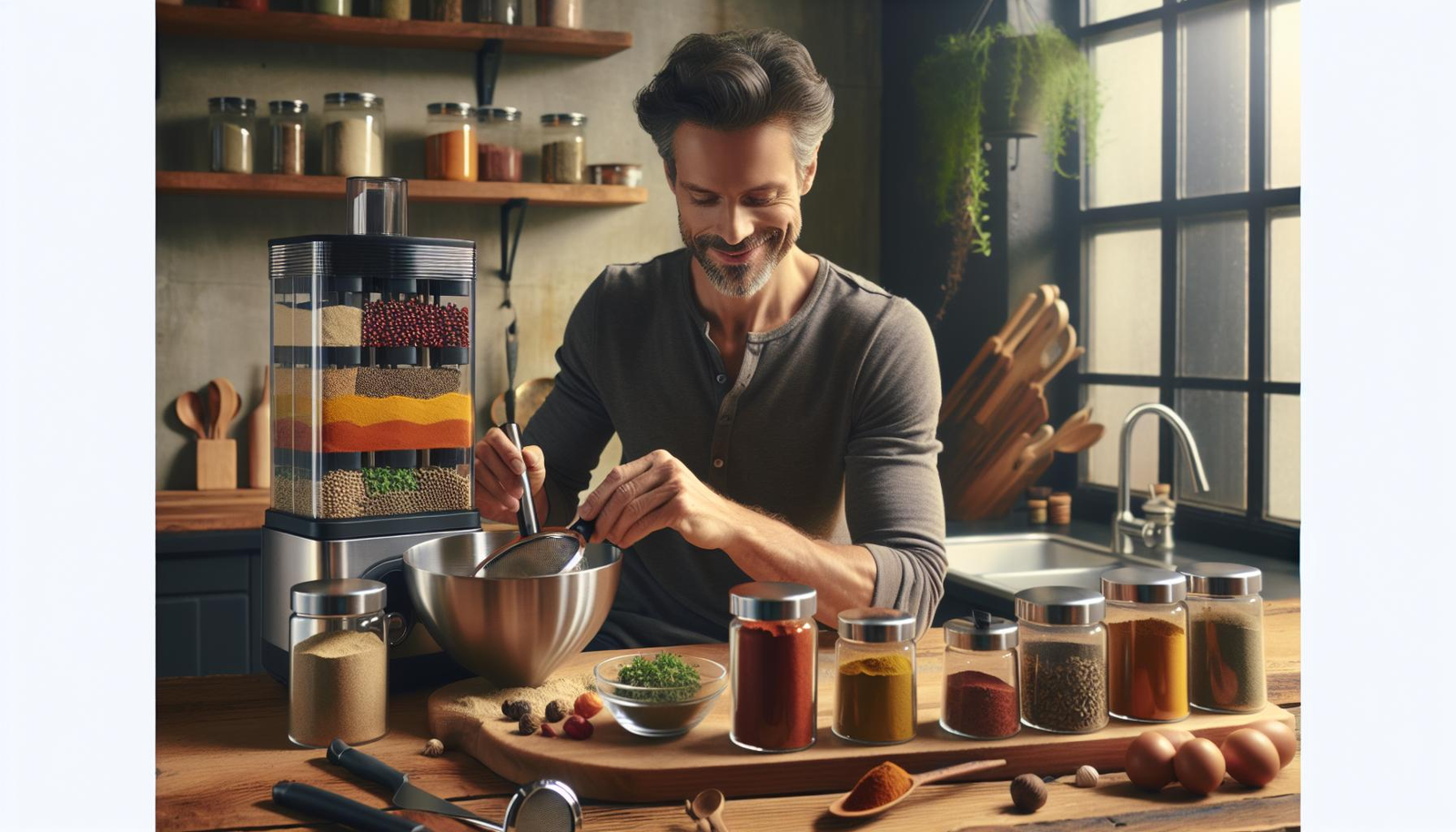
Cooking has always been a blend of art and science. From ancient fire pits to smart kitchens equipped with digital thermometers and programmable ovens, culinary techniques continue to evolve. In recent years, structured systems and coded methodologies have begun influencing how professionals and home cooks approach food preparation. One such emerging conceptual framework is “30 6df496 j261X5 in cooking.”
At first glance, the phrase appears 30 6df496 j261X5 in cooking technical or abstract. However, when interpreted through a culinary lens, it can represent a structured cooking methodology that emphasizes timing, freshness, precision, and scalability. Rather than seeing it as a random combination of numbers and letters, it can be understood as a symbolic framework that guides efficiency, ingredient balance, and recipe standardization.
This article explores the meaning, application, and practical advantages of 30 6df496 j261X5 in cooking, presenting it as a modern culinary philosophy built around precision and innovation.
Understanding the Framework
The phrase “30 6df496 j261X5 in cooking” can be broken into three conceptual elements:
- 30 – A time or efficiency benchmark
- 6df496 – A symbolic representation of freshness or green-based ingredients
- j261X5 – A structured batch or scaling system
When combined, these elements form a systematic approach to cooking that balances timing, nutrition, aesthetics, and consistency.
The 30-Minute Efficiency Principle
Time is one of the most important variables in cooking. Undercooking can compromise safety and texture, while overcooking diminishes nutrients and flavor. The “30” in this framework represents the optimized cooking window—specifically, the 30-minute preparation cycle that works exceptionally well for many meals.
Why 30 Minutes Works
Many dishes reach peak flavor and texture within 30 minutes:
- Roasted vegetables caramelize beautifully in 25–35 minutes.
- Boneless chicken breasts cook thoroughly in about half an hour.
- Pasta sauces develop depth after simmering for 20–30 minutes.
- Stir-fries can be prepared quickly while maintaining crispness.
The 30-minute rule promotes efficiency without sacrificing quality. It encourages focused preparation, streamlined steps, and mindful cooking rather than rushed or drawn-out processes.
For busy households, this time-based structure makes meal planning manageable. For professionals, it ensures predictable output during service hours.
The Meaning Behind 30 6df496 j261X5 in cooking: Freshness and Green Focus
The alphanumeric segment “30 6df496 j261X5 in cooking” resembles a digital color code associated with a fresh green shade. In cooking, green symbolizes vitality, health, and freshness. This element of the framework emphasizes incorporating vibrant plant-based ingredients into meals.
The Power of Green Ingredients
Green foods are nutritional powerhouses and visual enhancers. Examples include:
- Spinach
- Broccoli
- Zucchini
- Basil
- Parsley
- Cilantro
- Green beans
- Avocado
These ingredients provide fiber, antioxidants, and essential vitamins. They also balance heavier flavors, add texture contrast, and brighten plate presentation.
Within the 30 6df496 j261X5 in cookingmodel, every dish ideally includes at least one fresh green component. This ensures nutritional balance and aesthetic appeal.
Decoding j261X5: Batch Precision and Scalability
The final segment, “30 6df496 j261X5 in cooking,” represents structured scaling and standardization. Professional kitchens rely on coded systems to maintain consistency. Recipes are documented with precise measurements, temperatures, and preparation sequences to ensure repeatability.
In this framework:
- “j” may symbolize a kitchen category or station.
- “261” could represent a recipe code.
- “X5” suggests scaling the recipe by five portions.
This part of the model emphasizes documentation, measurement accuracy, and careful portion scaling. Whether cooking for one person or fifty guests, the recipe remains consistent.
Applying the Framework in Home Cooking
Although structured, this approach is practical for home kitchens.
Step 1: Plan Around 30 Minutes
Design meals that can be completed within 30 minutes. This improves time management and reduces stress.
Step 2: Incorporate Fresh Green Ingredients
Ensure every meal includes a vibrant vegetable or herb to enhance nutrition and color.
Step 3: Document and Scale
Write down ingredient quantities and cooking times. If doubling or tripling a recipe, adjust seasonings gradually rather than blindly multiplying measurements.
By following these three principles, home cooks can achieve professional-level consistency.
Flavor Development and Culinary Science
Cooking is deeply rooted in chemistry. The 30-minute window often allows critical reactions to occur:
- Maillard browning enhances flavor in proteins.
- Caramelization deepens sweetness in vegetables.
- Reduction concentrates sauces.
- Herb infusion releases aromatic oils.
The green emphasis ensures freshness and aromatic lift, while structured scaling maintains flavor ratios.
This combination of timing, freshness, and measurement transforms cooking into a controlled yet creative process.

Benefits of the 30 6df496 j261X5 in cooking Approach
1. Consistency
Documented recipes and scaling systems ensure repeatable results.
2. Efficiency
The 30-minute focus reduces wasted time and energy.
3. Nutritional Balance
Green ingredient emphasis improves dietary quality.
4. Visual Appeal
Colorful plates enhance perceived taste and dining satisfaction.
5. Reduced Waste
Structured planning minimizes excess ingredients and spoilage.
Professional Kitchen Applications
Restaurants operate under tight schedules and quality expectations. A system like 30 6df496 j261X5 in cooking could support:
- Menu standardization
- Batch production for catering
- Inventory tracking
- Portion control
- Staff training
Clear systems reduce confusion and enhance productivity during peak service hours.
Sustainability and Seasonal Cooking
Green-focused cooking often aligns with sustainable practices. Seasonal vegetables are typically fresher, more affordable, and environmentally friendly.
By emphasizing plant-forward ingredients and efficient timing, the framework encourages:
- Lower energy usage
- Reduced food waste
- Balanced resource consumption
- Health-conscious dining
Sustainability is increasingly central to modern culinary philosophy.
The Psychological Impact of Structured Cooking
Structure provides confidence. When cooks know their timing, ingredient ratios, and scaling method, stress decreases and creativity increases.
Color psychology also plays a role. Green tones evoke freshness and vitality, making dishes appear healthier and more appealing before the first bite.
Thus, the framework enhances both emotional and sensory aspects of cooking.
Meal Prep and Weekly Planning
The system works particularly well for meal preparation:
- Cook a base protein in 30 minutes.
- Prepare multiple green vegetables.
- Divide into labeled containers.
- Scale portions according to needs.
With documentation, weekly meal prep becomes streamlined and efficient.
Balancing Creativity and Structure
One concern with structured systems is loss of creativity. However, frameworks provide freedom within boundaries.
For example:
- Substitute spinach with kale.
- Adjust herbs based on cuisine.
- Modify seasoning levels.
- Experiment with cooking techniques.
The system offers guidance without restricting innovation.
Avoiding Common Mistakes
- Ignoring taste tests while relying only on timing.
- Over-scaling recipes without adjusting seasoning carefully.
- Using low-quality or wilted green ingredients.
- Failing to document successful adjustments.
- Neglecting presentation.
Precision must always be paired with sensory evaluation.
The Future of Systemized Cooking
As technology integrates with kitchens, structured cooking systems will become more advanced. Smart appliances can automate 30-minute cycles. Recipe apps can store scaling codes. Digital color-based nutrition tracking may guide ingredient selection.
The 30 6df496 j261X5 in cooking framework aligns perfectly with this future—where cooking merges creativity with data-driven precision.
Practical Example
Consider a simple dinner:
- Grilled salmon (cooked in 12–15 minutes)
- Roasted asparagus (20–25 minutes)
- Herb quinoa (30 minutes total preparation)
Include fresh parsley and lemon zest for brightness. Document measurements. Scale portions for family members.
This simple meal demonstrates timing efficiency, green emphasis, and scalable structure.
Conclusion
“30 6df496 j261X5 in cooking” represents a modern philosophy that merges structure with creativity. By focusing on a 30-minute efficiency window, prioritizing fresh green ingredients, and applying batch scaling systems, cooks can achieve consistent, nutritious, and visually appealing meals.
In an era where time is limited and quality matters more than ever, structured cooking approaches help bridge the gap between home kitchens and professional standards. The framework encourages organization without eliminating imagination, precision without sacrificing flavor, and efficiency without compromising health.
Ultimately, 30 6df496 j261X5 in cooking symbolizes the evolution of culinary practice—where art meets science, and structure supports delicious results.
